What a Chamber Split Means for Investigations and 2028
The outcome of Tuesday's vote determines whether House Democrats launch a 100-day oversight agenda or if Republicans maintain unified control of Congress.
By Luca Harrison ·
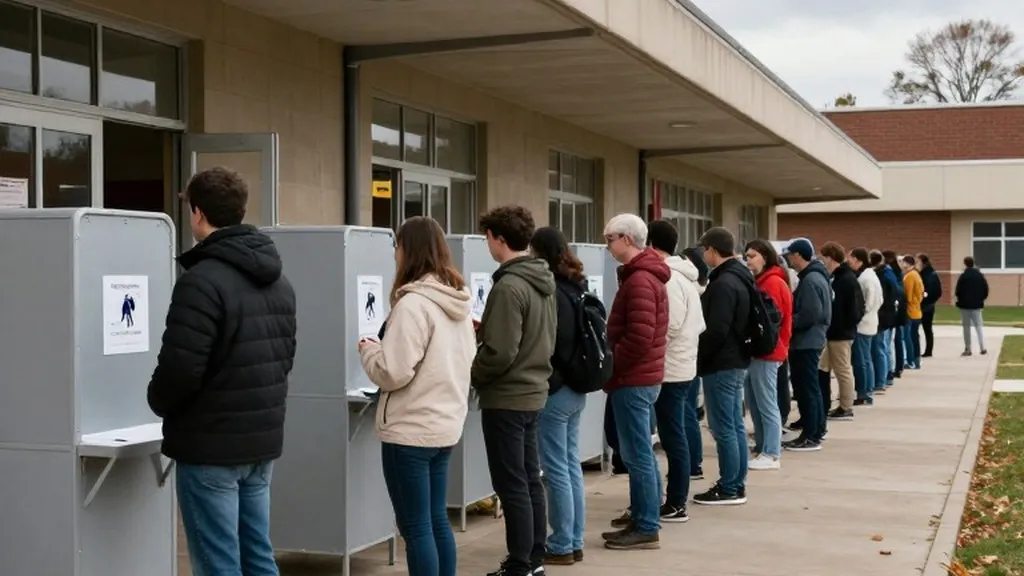
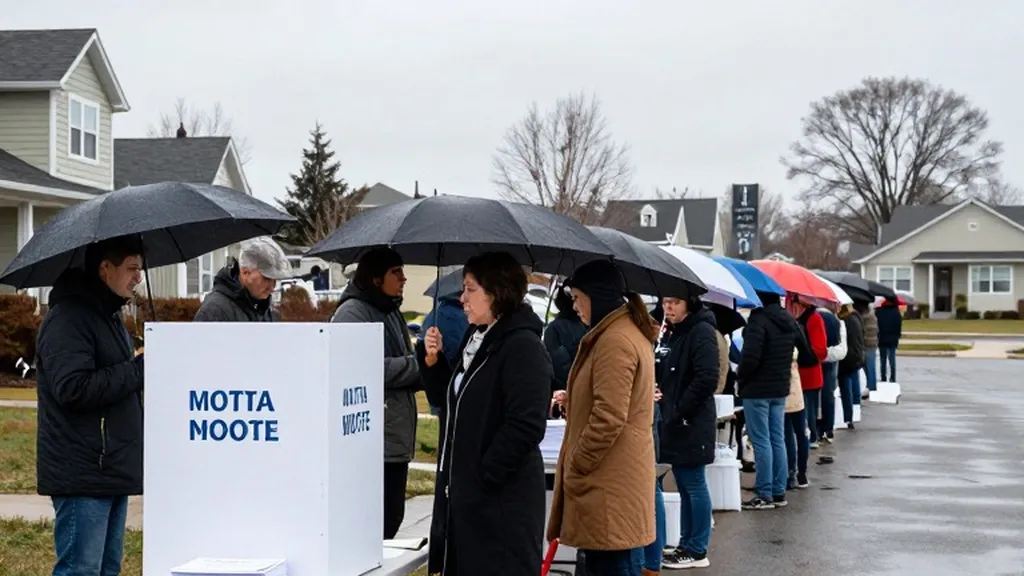
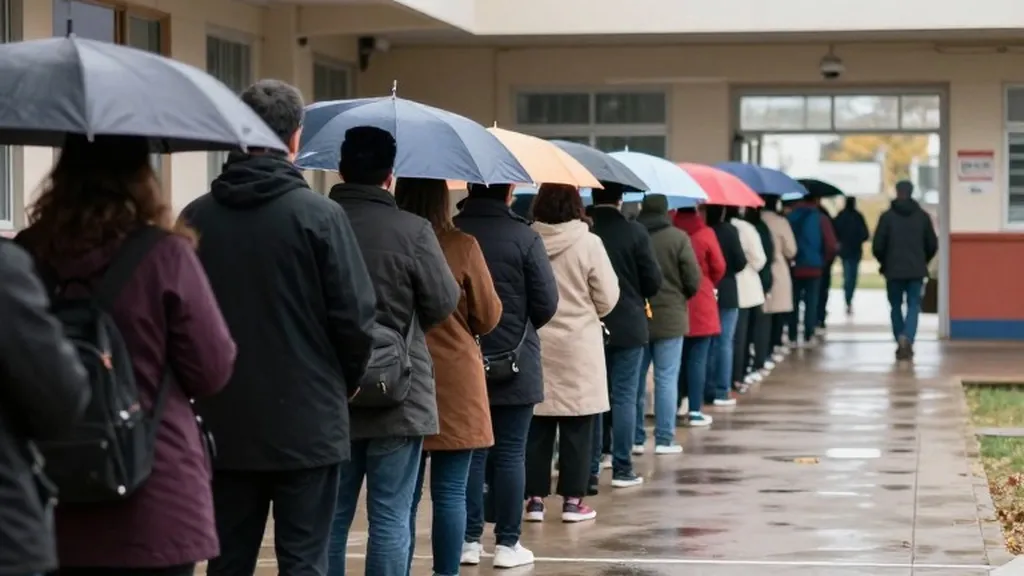
Voters across the United States are casting ballots to determine the balance of power in Congress for the final two years of President Donald Trump's second term. The Associated Press describes the election as a referendum on the administration's performance, with many citizens citing high prices and an unpopular war with Iran as primary concerns. Polls indicate that 35 percent of U.S. adults approve of the president's job performance, while approximately 70 percent believe the country is heading in the wrong direction. These sentiments are shaping the decisions made in polling places from coast to coast.
Control of the House of Representatives is a central focus of the day's proceedings. Democrats currently hold 214 seats and need a net gain of three districts to secure a majority. Republicans hold 218 seats and can lose no more than two to maintain control. Ballotpedia identifies 46 battleground districts, with 25 held by Democrats and 21 by Republicans. The outcome in these competitive districts will dictate whether the legislative branch is unified under one party or split between the two.
If Democrats secure the majority in the House, leader Hakeem Jeffries would become the first Black speaker of the chamber. He has outlined a specific 100-day agenda focused on the cost of living and oversight of the executive branch. This agenda includes launching investigations into various government actions. Democrats argue that a unified House allows for more rigorous scrutiny of the administration, while Republicans argue that a divided Congress creates a more stable environment for governance.
The Senate race involves 35 seats, with Republicans holding 53 and Democrats holding 45, plus two independents who caucus with the Democratic majority. Democrats need a net gain of four seats to take control of the chamber. Republicans can lose only two seats to maintain their majority. Key battlegrounds include Maine, Iowa, and Michigan, where race ratings have shifted to toss-ups or slight leans in recent weeks. The Associated Press notes that economic strain and tariffs have made states like Maine particularly competitive.
Control of both chambers would allow the majority party to advance legislation and confirm nominees without the need for bipartisan compromise. In a split government, however, the minority party can use its position to block or delay investigations and judicial nominations. The Associated Press reports that one or two seats could tip either chamber, making the final count in several states decisive. This narrow margin of error heightens the importance of every ballot cast in the competitive races identified by Ballotpedia.
The outcome of the midterms also has significant implications for the 2028 presidential cycle. A strong Democratic night would boost the profiles of potential candidates such as Gavin Newsom, JB Pritzker, and Pete Buttigieg. Conversely, a Republican victory could complicate the path for Vice President JD Vance, who is currently viewed as a leading contender for his party's nomination. The performance of these potential candidates in their respective states will be closely monitored by party strategists and voters alike.
Money and strategy have played major roles in the campaign leading up to Election Day. The Associated Press analysis of AdImpact data shows that 88.1 percent of Republican general election TV ad spending went to states and districts that Trump won in 2024. This targeted approach reflects the party's strategy to protect its base in key areas. Democrats, meanwhile, focused their resources on flipping specific districts and holding governorships in states that voted for the current president.
Governor races in 36 states are also on the ballot, with Democrats hoping to hold a majority of governorships for the first time in two decades. Republicans currently hold 26 governor's offices, while Democrats hold 24. Key matchups include Georgia, where Republican Rick Jackson faces Democratic Keisha Lance Bottoms, and Nevada, where Republican Joe Lombardo runs against Democratic Aaron Ford. The results in these states will influence the overall tone of the next two years of state-level policy.
The administration has continued to assert its influence on the election process, including lawsuits in Alaska and California regarding the certification of results. Critics argue that these actions risk disenfranchising eligible voters, while supporters say they are necessary to ensure integrity. The U.S. Postal Service has added resources to ensure mail ballots are counted on time, addressing concerns about delays in several states. These administrative details are part of the broader effort to manage a high-stakes election with tight margins.
As polls close, the focus shifts to the early returns and the final tally in the 46 battleground districts. The Associated Press notes that Republicans were bracing for potential losses in the House, while Democrats expressed cautious optimism. The final numbers will determine whether the next two years are defined by unified control or a system of checks and balances that forces cooperation. The outcome will set the stage for the legislative and judicial appointments that shape the next decade of American governance.
In the immediate aftermath, the new leadership of Congress will likely issue statements outlining their priorities. If Democrats win the House, the 100-day agenda will be a central point of discussion. If Republicans hold both chambers, the focus may turn to passing key legislation before the next election cycle. The specific combination of seats won will determine the leverage each party has in negotiations. Voters in close states will watch the maps closely to see if the new districts drawn after redistricting perform as expected.