Record Spending and Targeted Ads Define the 2026 Midterm Fight
While Democrats hold an advantage in candidate fundraising, Republican committees are deploying record sums into districts Trump won in 2024.
By Luca Harrison ·
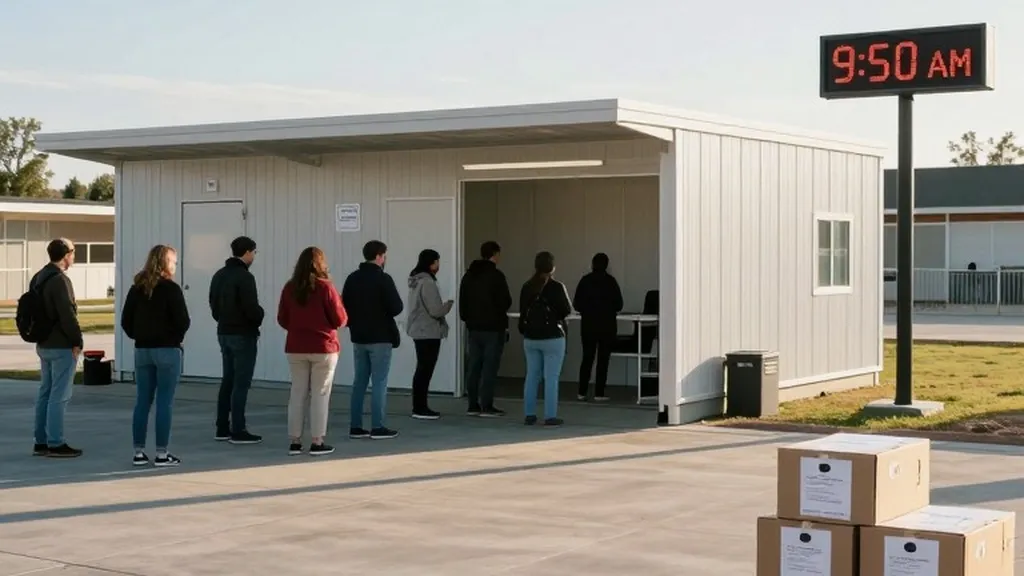
As polls open across the country for the 2026 midterm elections, the financial scale of the contest has reached historic proportions. The Associated Press reports that this cycle is likely to be the most expensive in American history. This surge in spending is driven by intense competition for control of Congress during the second term of President Donald Trump. The stakes are high as voters decide the balance of power in the U.S. House and Senate.
The flow of money reveals a distinct split in strategy between the two major parties. At the committee level, Republican organizations have outraised and outspent their Democratic counterparts. This advantage is largely attributed to the influence of Trump-affiliated groups and significant contributions from Elon Musk. These super PACs and party committees have poured resources into national advertising and ground operations. Their goal is to protect the party that currently holds a majority in both chambers of Congress.
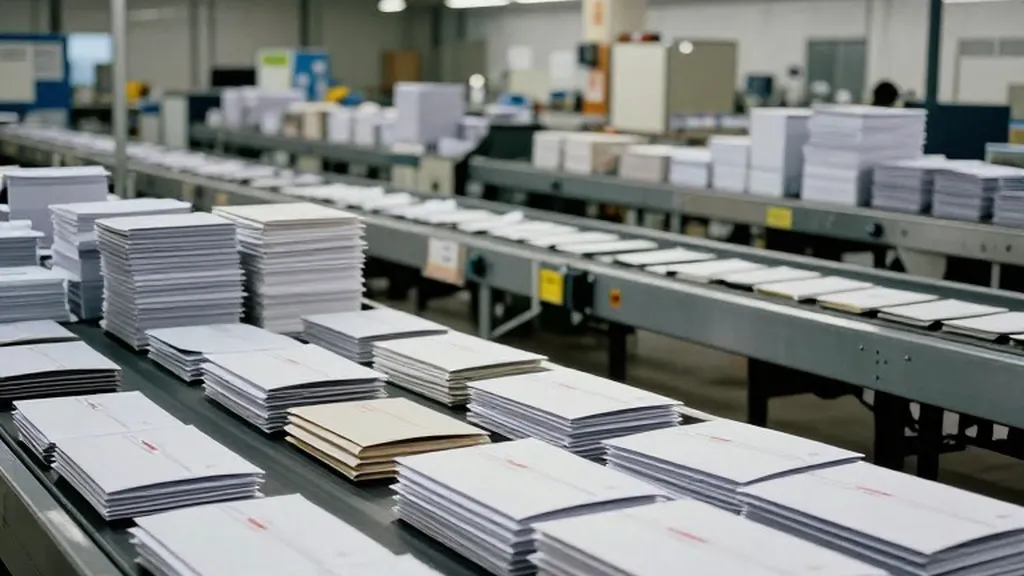
In contrast, Democratic candidates have demonstrated a different fundraising profile. According to the AP, Democrats have outraised their Republican opponents at the candidate level. This means that individual House and Senate candidates from the Democratic Party have raised more personal campaign funds than their Republican rivals. This candidate-level edge allows Democratic nominees to fund local advertising and direct mail efforts. It provides them with a strong financial foundation in key competitive districts and states.
However, the committee spending advantage for Republicans has shaped the national media landscape. An AP analysis of AdImpact data shows that 88.1 percent of Republican general election television ad spending was directed to states and districts where Trump won in 2024. This targeted approach suggests a strategy to reinforce support in areas already leaning Republican. The goal is to ensure that voters in these regions turn out in sufficient numbers to hold onto their seats.
A significant portion of these funds was deployed in areas where Trump won by wide margins. The AP notes that more than $850 million in Republican television advertising went to districts and states where he won by 10 points or more. This heavy concentration of spending reflects a defensive posture. Republican leaders are bracing for the possibility of losing the House while fighting to hold the Senate. They are using their financial edge to maintain momentum in safe districts and competitive battlegrounds alike.
Democratic strategy appears more focused on the candidate level and specific battlegrounds. With a need for net gains to take control of either chamber, Democrats are investing in specific races. In the Senate, Democrats need a net gain of four seats to achieve a majority. In the House, they need a net gain of three districts. This mathematical reality drives their candidate-level fundraising success. They are deploying these resources to challenge incumbents and win open seats in key states.
The financial disparity at the committee level has sparked discussions about the role of outside money in elections. Republican committees, bolstered by high-profile donors, are able to saturate airwaves in critical markets. This includes states like Kansas, where the race for Senate control is seen as pivotal. The AP notes that Kansas has become central to the fight, despite historically being a reliable Republican stronghold. The influx of money aims to keep this state in play and potentially flip other competitive seats.
Meanwhile, Democrats are leveraging their candidate funds to connect with voters on local issues. The AP describes the election as a referendum on the economy and high prices. Candidates are using their personal funds to run ads that highlight cost of living concerns. This approach contrasts with the broader thematic messaging often seen in committee-funded advertising. It allows Democrats to tailor their message to specific districts and states where they are fighting for a majority.
The impact of this spending is visible in the political landscape as voters head to the polls. The AP reports that more than 57 million people had already voted before Election Day, surpassing early vote totals from four years ago in many states. This high level of engagement suggests that the massive spending is resonating with voters. Both parties are confident in their financial strategies, with Republicans relying on committee strength and Democrats on candidate appeal.
As the day progresses, the results of these financial investments will become clear. The Associated Press notes that one or two seats could tip the balance in either chamber. The interplay between Republican committee spending and Democratic candidate fundraising is creating a complex dynamic. Voters are weighing these efforts alongside their views on the president's performance and the state of the economy. The final outcome will determine the direction of Congress for the next two years.
The 2026 elections also feature new congressional maps in six states, including California, Florida, and Texas. These changes may influence how money is spent and where. Republicans used redistricting to try to beat the traditional midterm pattern of losing seats. However, new districts may not vote as drawn. The financial strategies of both parties must account for these shifting boundaries. The record spending reflects the uncertainty and high stakes of this particular midterm cycle.
Ultimately, the money in this election tells a story of two different approaches to winning. Republicans are using their committee edge to dominate the airwaves in friendly territory. Democrats are using their candidate advantage to build local campaigns in competitive areas. Both strategies are designed to maximize voter turnout and secure a majority in Congress. The voters will decide which approach proves more effective on Election Day.