Courts intervene in noncitizen vote plans and California ballot orders
Federal judges issued temporary restraining orders against federal voting measures while the Postal Service expanded operations to ensure timely mail ballot processing.
By Luka Evans ·
The legal landscape for the 2026 midterm elections shifted significantly on Monday as federal courts intervened in two major disputes involving the Department of Justice and state election officials. These rulings arrived just hours before polls opened in all fifty states, creating a complex backdrop for the most expensive election cycle in history. The interventions focus on the administration's efforts to address noncitizen voting and the specific handling of ballots in California. Legal experts and party leaders on both sides are watching these developments closely as they could influence voter turnout and the final certification of results in closely contested districts. The courts' actions highlight the ongoing tension between federal enforcement powers and state authority over election administration.
A federal judge issued a temporary order on Monday that barred the Trump administration from carrying out a plan designed to prevent noncitizen voting. The administration argued that the measure was necessary to ensure the integrity of the electoral process. Critics of the plan, including Democratic officials and legal advocates, contended that the strategy risked disenfranchising eligible voters. They argued that the federal government was infringing on the traditional authority of states to manage their own elections. The judge's decision effectively paused the implementation of the plan, allowing states to continue their standard procedures. This temporary stay adds a layer of uncertainty for election officials who must navigate federal and state guidelines simultaneously.
In a related development, a judge ordered the administration to stop demanding that California election officials segregate ballots cast by individuals on lists of suspected noncitizens. This order specifically addressed the handling of mail ballots in a state that relies heavily on postal voting. The administration had sought to identify and set aside these ballots for further review. Opposition groups warned that the segregation process could lead to delays in counting votes and increase the risk of errors. The court's ruling allows California to count all ballots according to its existing state laws without the additional federal step. This decision is significant given that California is one of the largest states in the union and a key battleground for control of the U.S. House.
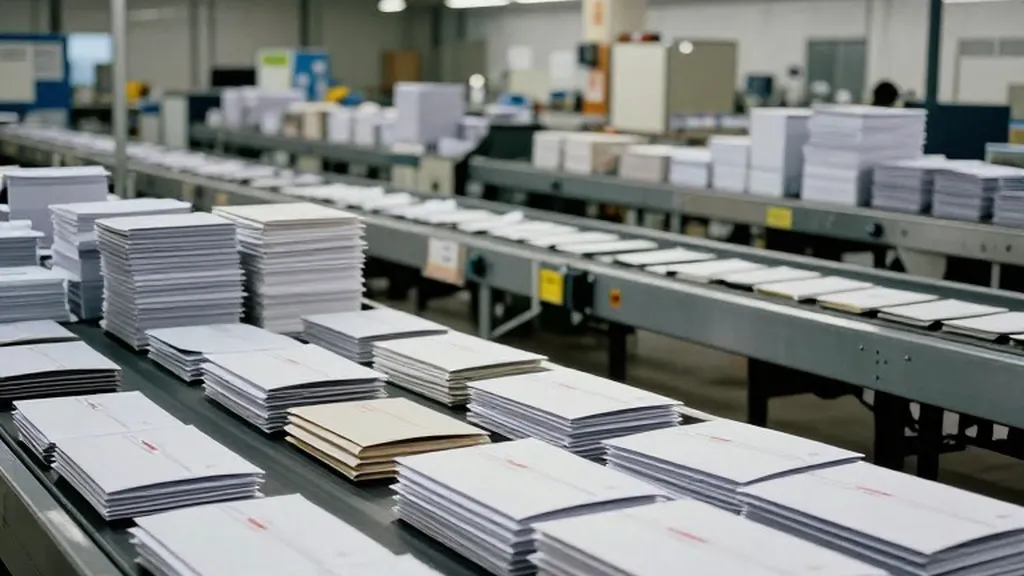
The U.S. Postal Service has also taken active measures to support the election process. The agency added extra hours, staff, and special lines to ensure that mail ballots are counted on time. These operational changes are critical for states that rely primarily on mail voting, such as California, Colorado, and Oregon. The Postal Service aims to prevent delays that could impact the timely certification of results. By increasing its capacity, the agency is working to mitigate potential bottlenecks in the distribution and processing of election materials. This logistical support is part of a broader effort to ensure that every valid vote is counted accurately and efficiently. The expanded operations reflect the scale of the 2026 midterm election, which involves all 435 House seats and 35 Senate seats.
Legal challenges have also emerged in Alaska, where the Trump administration filed a lawsuit related to the certification of the Senate result. This action is part of a broader strategy by the administration to scrutinize the election process in states with close margins. In Alaska, the Senate race is considered competitive, with the state voting for President Trump by a margin of 13.1 points in 2024. The lawsuit adds to the legal scrutiny surrounding the election, potentially affecting how officials handle the certification of votes. Democrats have expressed concern that these legal actions could lead to interference or intimidation of local election officials. The Justice Department has threatened to prosecute local officials who do not comply with federal directives, a move that has raised alarms among state and local administrators.
The California lawsuit and the federal court orders have drawn attention to the role of the judiciary in shaping the election's procedural framework. Both parties are arguing their case with equal weight, with Republicans emphasizing the need for strict enforcement of voting laws and Democrats highlighting the importance of protecting voter access. The nonpartisan nature of the court's intervention underscores the legal basis for the decisions, which are based on temporary restraining orders rather than final judgments. These orders will remain in effect until a more permanent ruling is issued or the parties reach a settlement. The legal proceedings will continue in parallel with the election itself, with potential implications for the final outcome in key states.
The Postal Service's expanded operations are a practical response to the challenges of processing a high volume of mail ballots. The agency has stated that the additional resources are necessary to meet the deadlines for counting ballots. This is particularly important in states where the majority of votes are cast by mail. The added staff and special lines are designed to ensure that ballots received on Election Day are counted in a timely manner. The Postal Service's efforts are part of a broader coordination with state and local election officials to ensure a smooth and efficient process. This logistical support is crucial for maintaining public confidence in the election results, especially in a year with high stakes for control of Congress.
The legal and administrative developments have added a new dimension to the 2026 midterm election. While the primary focus for voters is on the candidates and issues, the background legal battles are shaping the environment in which the votes are counted. The temporary restraining orders and the Postal Service's measures are designed to address specific concerns raised by the administration and the courts. These actions reflect the ongoing efforts to balance the need for election integrity with the need for accessible and timely voting. As polls open across the country, election officials will be monitoring these legal and logistical factors closely to ensure that the process runs smoothly.