Iran War Divides Voters in Midterm Showdown
The conflict has become a central factor in a national election where both parties are fighting for control of Congress.
By Luka Evans ·
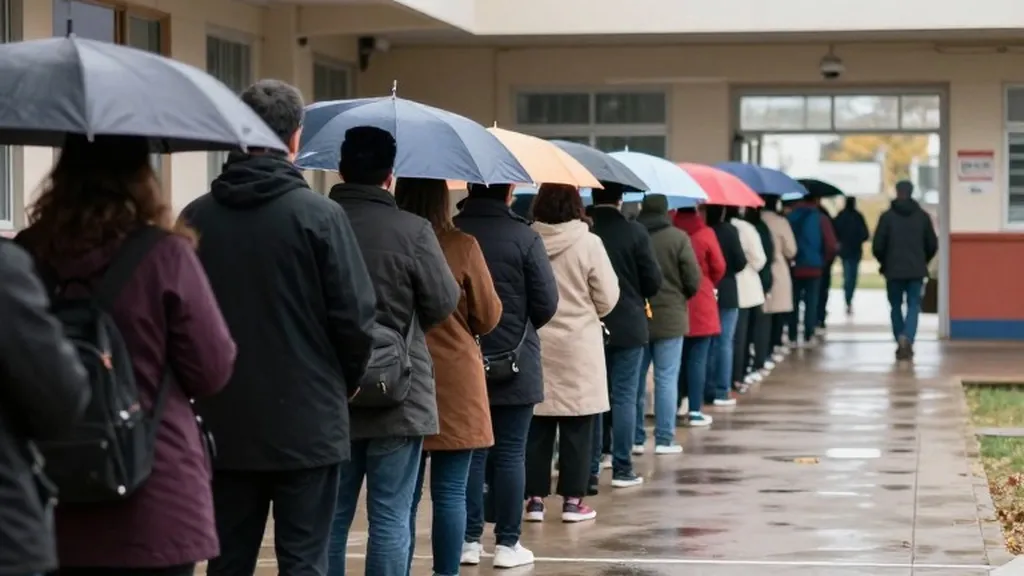
The war with Iran has emerged as a defining issue in the midterm elections, shaping the arguments of candidates and the anxieties of voters across the country. As polls open on Tuesday, November 3, 2026, the conflict stands alongside high prices as a primary driver of public opinion. The Associated Press describes the election as a referendum on President Donald Trump's second term, noting that voters are struggling with the cost of living and are angry over the unpopular war. This sentiment has contributed to a political environment where the outcome could significantly alter the trajectory of the administration's foreign policy.
The war's impact is visible in the polling data and the rhetoric of both parties. According to AP-NORC polling, 35 percent of U.S. Adults approve of Trump's job performance, while only 25 percent approve of his handling of the economy. About 7 in 10 Americans say the country is heading in the wrong direction. Many of these voters blame the president for high prices, a concern that is often linked in public discourse to the economic strains of the conflict. The war has thus become a proxy for broader economic dissatisfaction, with both Democrats and Republicans using it to frame their positions on national leadership.
Republican officials have largely defended the administration's approach, arguing that strength is necessary in the current geopolitical climate. RNC Chairman Joe Gruters emphasized the importance of voter turnout, stating, "Everything depends on turnout. If we turn out our voters, we win, and that's what we've been planning for." Trump himself held dozens of rallies in the lead-up to the election, ending his tour in Salina, Kansas, where he urged supporters to "pretend I'm on the ballot." Despite this direct campaigning, many Republican candidates have kept a distance from the president, perhaps reflecting the mixed feelings some have about the war's popularity among their base.
Democrats, for their part, have framed the war as evidence of a mismanaged executive branch. DCCC Chair Rep. Suzan DelBene captured the mood of her party, saying, "The American people are angry. They want change." The Democratic strategy focuses on the economic fallout of the conflict, linking the war to the higher costs of healthcare and daily goods. Voter James Moore, a 57-year-old librarian in Raleigh, North Carolina, expressed this view, noting, "I'm paying more taxes. I'm paying more for my healthcare. I'm paying more for everything." For many Democrats, the war is a symbol of a presidency that is out of touch with the financial realities of the average American.
The result of the election will determine who controls Congress for the final two years of Trump's term, with significant implications for the war effort. If Democrats win even one chamber, investigations and possible impeachment proceedings become likely. House Democratic Leader Hakeem Jeffries, who would be the first Black speaker, has outlined a 100-day agenda focused on the cost of living and oversight. Such a shift could lead to increased scrutiny of the war's conduct and its funding. A strong Democratic night would also boost potential 2028 candidates like Gavin Newsom and JB Pritzker, while complicating the path for Vice President JD Vance.
Republicans, who hold a 53-45 majority in the Senate, can afford to lose only two seats to maintain control. In the House, they hold 218 seats and can lose no more than two to keep the majority. The AP notes that one or two seats could tip either chamber, making the margin of victory potentially narrow. Republicans have tried to beat the historical midterm pattern, where a president's party almost always loses seats, by using redistricting in states like Florida and Texas. However, new districts may not vote as drawn, adding uncertainty to the outcome.
The war has also influenced the dynamics of specific battleground races. In states like Georgia, Michigan, and North Carolina, the conflict is a key talking point. In Georgia, Sen. Jon Ossoff is running against Rep. Mike Collins in a state that Trump won by 2.2 points in 2024. The AP says economic strain and tariffs have made states like Maine competitive, where Sen. Susan Collins faces Democratic challenger Troy Jackson. These races illustrate how the war intersects with local economic concerns, making it a pervasive issue in both presidential and down-ballot contests.
Administrative actions related to the election have added to the tension. A federal judge temporarily barred the Trump administration from implementing a plan to prevent noncitizen voting, a move critics say risks disenfranchising eligible voters. The administration also sued in Alaska and California, leading to legal battles over how ballots are handled. These developments have led some Democrats to fear interference and intimidation, particularly as the Justice Department threatens to prosecute local election officials. The war, in this context, becomes part of a broader narrative about the state of American democracy.
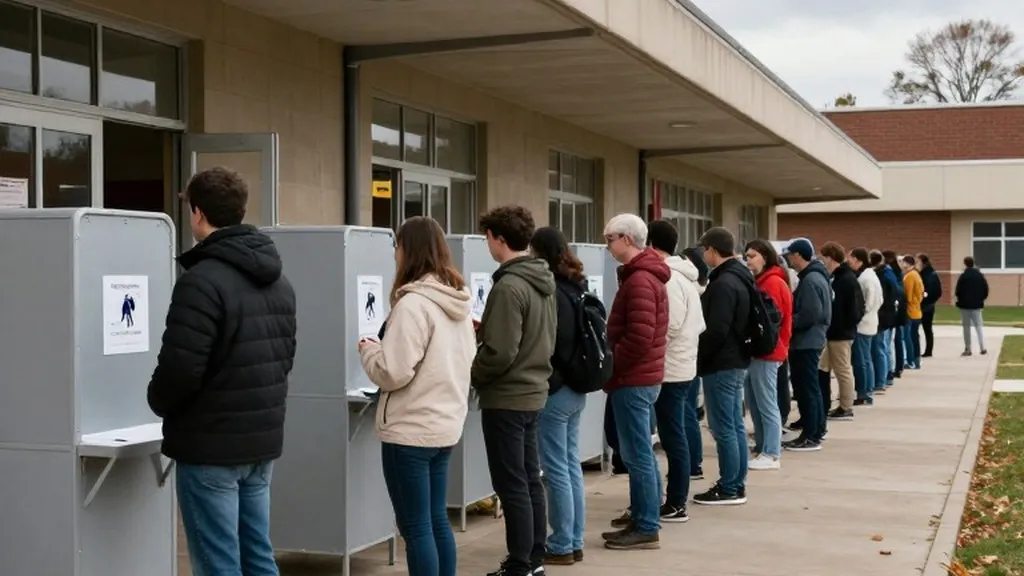
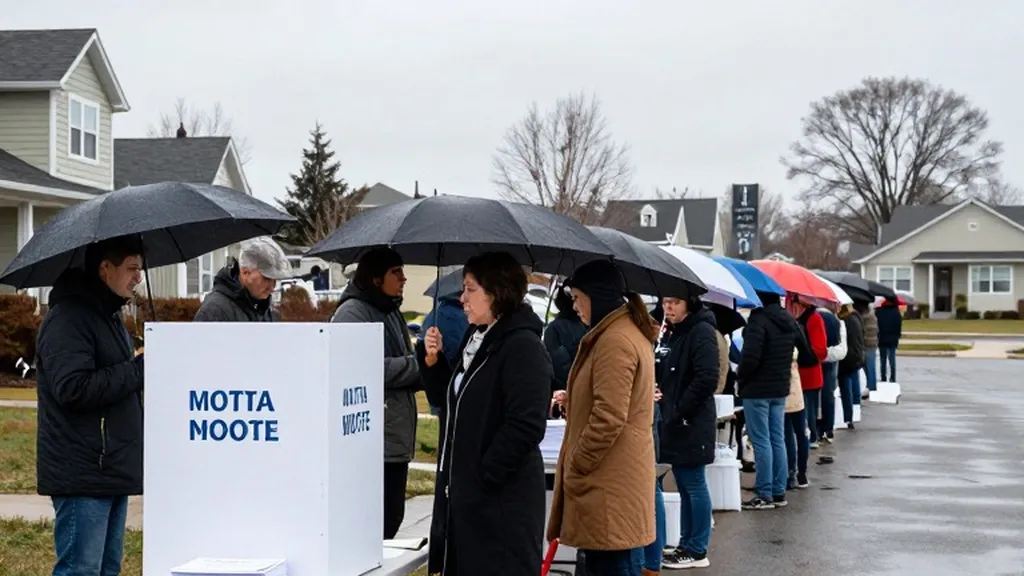
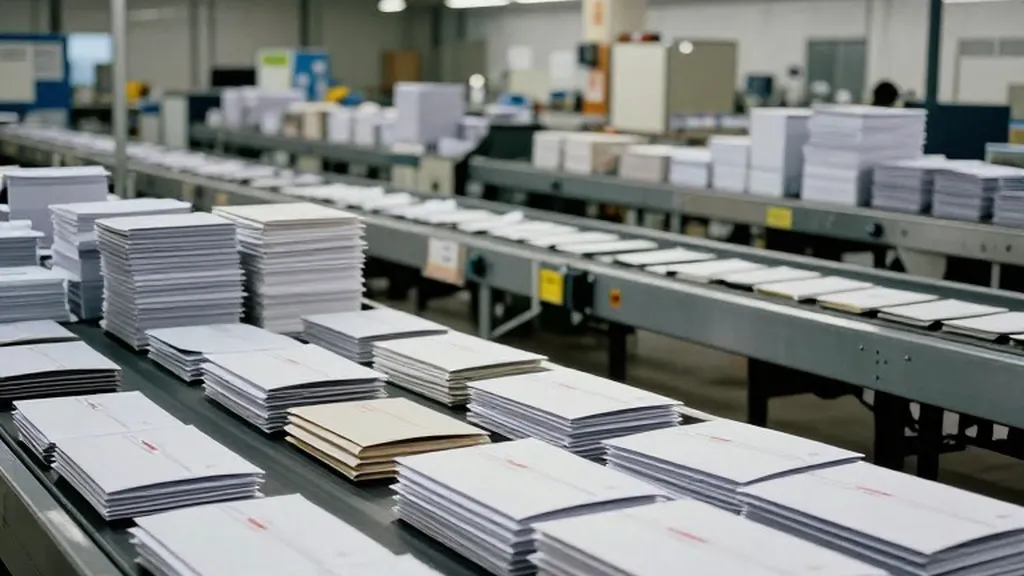
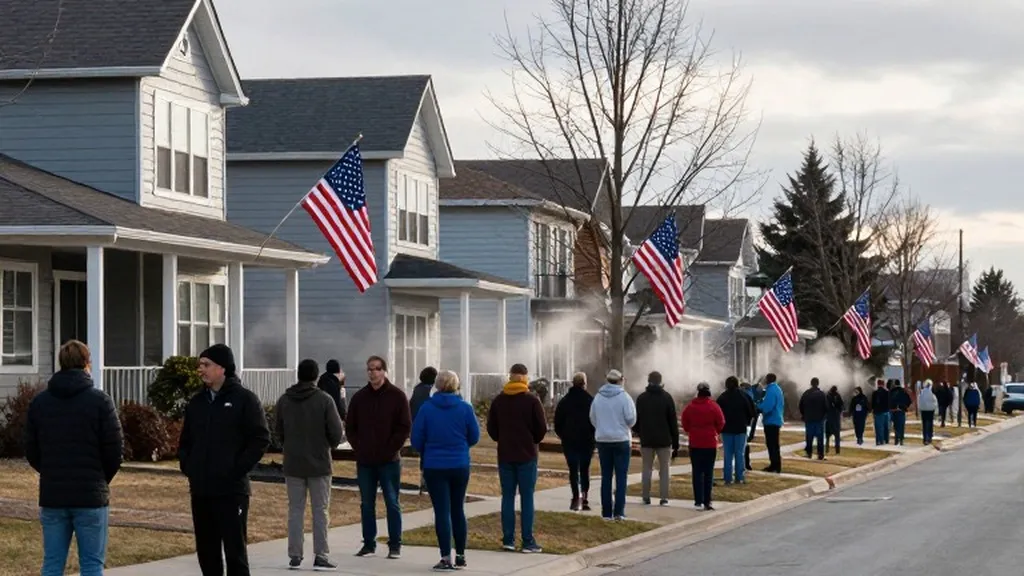
More than 57 million people had already voted as of Monday, surpassing the early vote of four years ago in many closely watched states. This high level of early voting suggests that the war and its associated issues have mobilized voters who might otherwise have stayed home. The U.S. Postal Service added hours and staff to ensure mail ballots are counted on time, reflecting the logistical challenges of a high-turnout election. Wall Street is also watching the results, with Reuters noting that the outcome could add to investor concerns about AI spending and debt ceiling negotiations, further linking the war's economic impact to the broader financial landscape.
As voters head to the polls, the war with Iran remains a central factor in their decision-making. The election will decide not only the composition of Congress but also the tone of the administration's final two years. Whether the conflict leads to a Democratic takeover or a Republican hold will shape the future of U.S. Foreign policy and domestic economic strategy. The results will provide a clear signal on how Americans view the war and its place in their political lives.