57 Million Ballots Cast: The Turnout Battle for Congress
Early voting totals have surged, setting a high bar for today as both parties stake their claims on voter enthusiasm.
By Luka Evans ·
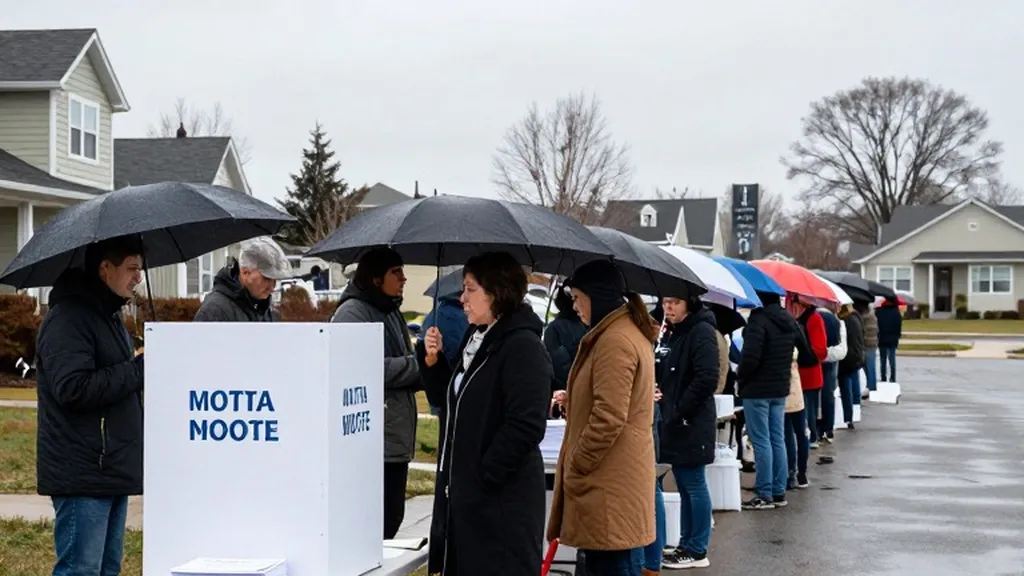
More than 57 million Americans have already cast their ballots in this midterm election, a figure that surpasses the early vote totals from four years ago in many closely watched states. According to the Associated Press, this surge in early participation is central to how the day is unfolding. The sheer volume of these ballots suggests that the outcome of the House and Senate races may be heavily influenced by who shows up to the polls today. Both political parties have structured their campaigns around the assumption that turnout will be the deciding factor in this contest.
The stakes for the U.S. House are particularly high, with all 435 seats up for grabs. Republicans currently hold 218 seats, while Democrats hold 214, along with one independent. Democrats need a net gain of three districts to secure a majority, whereas Republicans can afford to lose no more than two. Ballotpedia identifies 46 battleground districts that could determine the chamber's control. These districts are spread across the country, with 25 held by Democrats and 21 by Republicans. The intense competition in these areas reflects the narrow margins of power in the current legislative body.
In the Senate, 35 seats are at play, including 33 regular elections and two special elections. Republicans hold 53 seats and Democrats hold 45, with two independents who caucus with the Democrats. To take control of the upper chamber, Democrats need a net gain of four seats. Republicans can lose only two seats to maintain their majority. Eleven senators are not running for re-election, including four Democrats and seven Republicans. The winners of these races will begin their six-year terms on January 3, 2027. The distribution of these open seats creates a complex landscape for both parties as they fight for influence.
The governor's race is another critical component of this election, with 36 governorships on the ballot. Republicans hold 26 of these offices, while Democrats hold 24. For the offices currently on the ballot, each party holds 18. Nineteen of these races do not feature an incumbent, as 15 governors are term-limited and four have chosen not to run. Democrats would need to gain two governorships to achieve a nationwide majority, a status Republicans have held since 2010. This shift in executive leadership could alter the political dynamics in various states for the next two years.
Republican National Committee Chairman Joe Gruters has emphasized the importance of voter participation in maintaining the party's hold on power. He stated, "Everything depends on turnout. If we turn out our voters, we win, and that's what we've been planning for." This sentiment reflects a broader Republican strategy to mobilize their base to offset potential losses in other areas. The party's focus on turnout is a direct response to the high number of early votes already cast. Gruters's comments underscore the belief that a strong ground game is essential for success in this election.
On the other side, Democratic Congressional Campaign Committee Chair Rep. Suzan DelBene highlighted the anger of the American people as a driving force for their campaign. She said, "The American people are angry. They want change." This message aligns with polling data, which indicates that 35 percent of U.S. Adults approve of President Trump's job performance. Only 25 percent approve of his handling of the economy. About seven in 10 Americans say the country is heading in the wrong direction. Democrats are leveraging this dissatisfaction to rally their voters and encourage last-minute participation.
The ground game for both parties has been intense, with significant resources poured into voter mobilization efforts. Republican committees have outraised and outspent their Democratic counterparts, aided by Trump-affiliated groups and billionaire Elon Musk. However, at the candidate level, Democrats have outraised their opponents. This financial disparity has influenced the allocation of advertising dollars. According to an AP analysis of AdImpact data, 88.1 percent of Republican general election TV ad spending went to states and districts that Trump won in 2024. This strategy aims to consolidate support in areas where the president has a strong base of approval.
Voters on the ground are expressing their views on the state of the nation and the presidential administration. Mark Barker of Palm Beach Gardens, Florida, said he has been following Trump the whole time and thinks he is doing an awesome job. In contrast, James Moore, a 57-year-old librarian in Raleigh, North Carolina, cited rising costs as a primary concern. Moore stated, "I'm paying more taxes. I'm paying more for my healthcare. I'm paying more for everything." These personal anecdotes illustrate the diverse perspectives that are shaping the voting behavior of independents and partisans alike.
The election is being viewed as a referendum on President Trump's second term, with voters struggling with high prices and an unpopular war with Iran. The Associated Press notes that most Americans blame the president for high prices, which has become a central issue in the campaign. This economic anxiety is driving voter engagement and influencing the choices made in polling places across the country. The mood among voters is one of urgency, as they seek to address the challenges facing the nation in this critical midterm contest.
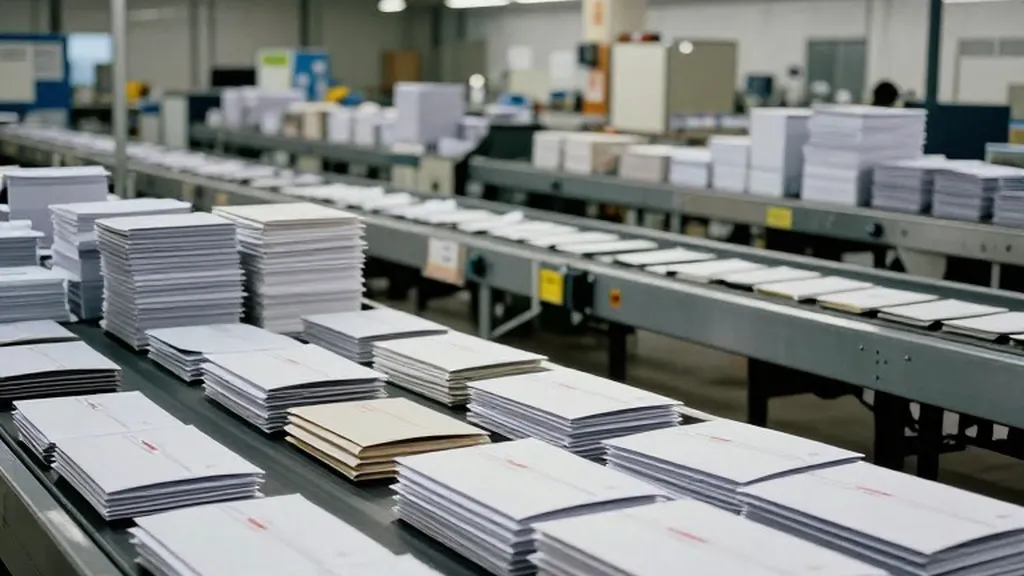
Election administration has also been a focal point, with a federal judge temporarily barring the Trump administration from carrying out a plan to prevent noncitizen voting. Critics argue that this move risks disenfranchising eligible voters and infringes on state authority. The U.S. Postal Service has added hours, staff, and special lines to ensure that mail ballots are counted on time. These logistical efforts are crucial for ensuring that the high volume of early votes is processed efficiently. The smooth operation of these systems will be vital for a fair and timely election outcome.