Ohio Senate race ad spend tops $500M amid ACA enrollment drop
AdImpact data shows the race has passed the half-billion dollar mark, even as marketplace plan premiums rise and enrollment falls sharply.
By Luka Evans ·
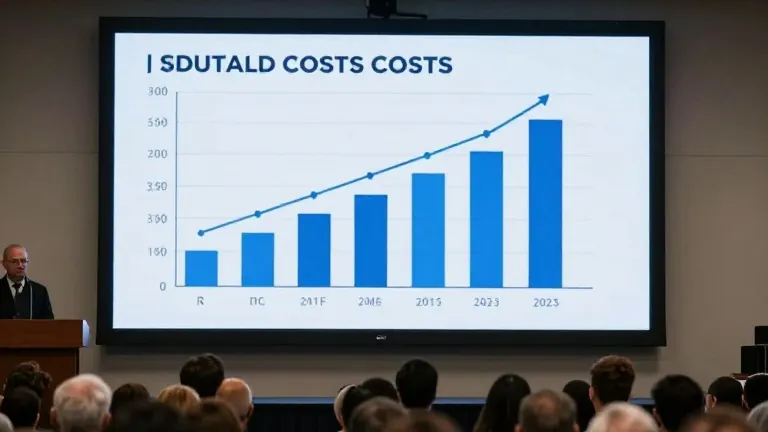
Ad spending for the Ohio U.S. Senate race exceeded $500 million this week, according to AdImpact, a tracking site that monitors political advertising. The figure includes future reservations and marks one of the highest costs for a single race in the nation. Candidates are spending heavily as they debate the state's deteriorating health care market.
Private health insurance premiums in Ohio are projected to increase by more than 10%, per data from healthinsurance.org. This cost surge has become a central theme in campaign messaging. Incumbent Republican Sen. Jon Husted blamed his Democratic challenger, Sherrod Brown, in an October ad run by No Going Back PAC. The spot described Brown as a shill for big insurance companies and accused him of protecting their profits for decades.
The ad rests on a claim that Brown received $240,000 from insurance companies in exchange for supporting favorable policies. No evidence supports that specific financial arrangement. Brown countered with a video posted to his Facebook page in August. He stated that Husted voted against lowering premiums nine times while accepting $700,000 from the same industry.
Marketplace data confirms the financial strain on Ohio residents. The Health Policy Institute of Ohio reports that average premiums for Affordable Care Act plans jumped 18% this year. Enrollment in those plans fell by more than 161,000 people in February 2026 compared to the previous year, a 32.4% decline. This drop followed the expiration of enhanced federal subsidies at the end of 2025.
Brown has quantified the long-term impact of these changes. In an interview, he said that 490,000 Ohioans will lose coverage over the next decade due to the end of ACA subsidies and Medicaid changes. He compared the number of people losing insurance to filling Ohio Stadium five times over. Husted responded in December that he is working to fix mistakes made during Brown's tenure, citing cross-party efforts to renew premium tax credits while eliminating fraud.
Prescription drug costs remain a separate point of contention. Brown said at a campaign stop in Steubenville in August that the government should negotiate drug prices, similar to the model used at the VA. He argued that Ohioans should not pay more for a pill than consumers in Canada. Husted promoted a bill to modernize over-the-counter drug sales and cited anti-fraud provisions in the Working Families Tax Cuts Act.
Husted stated that the act requires states to check Medicaid eligibility more frequently. He estimated those measures will save billions of dollars by reducing improper payments. More than three million Ohioans currently rely on Medicaid. Advocates say the new requirements could remove more than half a million people from the rolls. Brown said his opposition to the act was a primary motivation for his return to the Senate race.