Highland Park seeks $1.5M water refund
The city argues a 1999 formula overcharges it for sewer overflows, a dispute now heading to arbitration.
By Luca Harrison ·
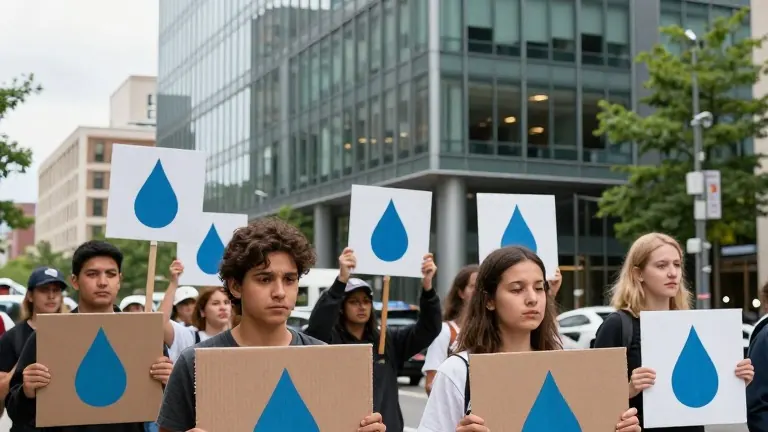
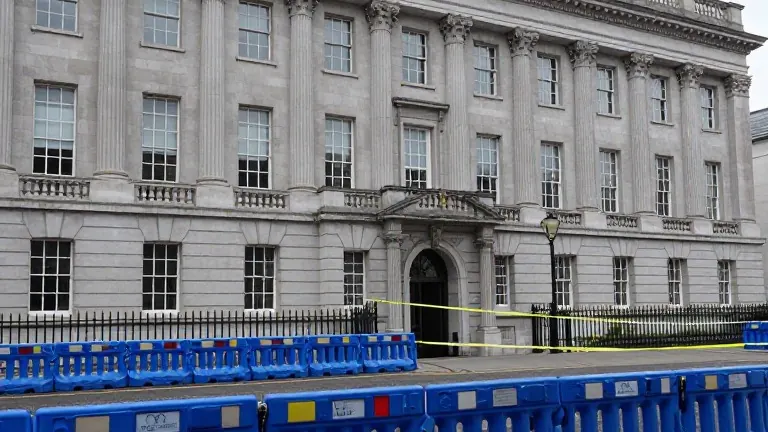
Highland Park residents marched outside the Great Lakes Water Authority headquarters this week.
They are demanding a $1.5 million reduction in their bills. The city contends that a decades-old formula charges it four times what comparable small cities pay for combined sewer overflow costs.
Mayor Glenda McDonald stated that the data shows Highland Park contributes far less to these overflows than the current billing suggests. She said, "They're charging us four times the amount that they charge other small cities like this with the amount of people that we have."
The cost allocation methodology was established in a 1999 rate settlement agreement. GLWA maintains that this formula remains in effect through subsequent federal orders. The authority said it will not adjust charges outside of the agreed-upon arbitration process.
Combined sewer overflows occur when heavy rainfall overwhelms the system, forcing a mix of stormwater and wastewater to spill before reaching treatment plants. Highland Park argues that the 1999 formula assigns it a share of these costs that is far larger than its actual usage data justifies. The city wants the split recalculated based on real numbers rather than a formula set more than 25 years ago.
Charlene Turner Johnson, an organizer with Highland Park Water Advocates, described the disparity plainly. "We're the smallest user in the system, and we're paying more than the other users, which are all larger cities," she said. The group has continued to pressure GLWA for rate reform and community accountability.
The dispute is part of a larger financial squeeze on local households. McDonald noted that residents are already dealing with high costs for food, electricity, and gas. "You already have high food, high DTE, high gas and now we're adding high water rates," she said. "These people can't survive it. They just can't."
Michigan's unemployment rate currently stands at 5.0 percent, which is above the national rate of 4.2 percent. This economic backdrop limits how much residents can absorb rising utility bills. GLWA issued a statement saying it respects the residents' right to protest and remains committed to working collaboratively with member communities.
The two sides entered into new agreements in 2024, including a wastewater disposal services contract. However, the underlying dispute over the CSO cost formula has persisted. GLWA stated it looks forward to a timely and final resolution through arbitration. A neutral third party will review both sides' arguments and data before issuing a binding ruling.
The arbitration will determine whether the $1.5 million reduction is warranted or if the 1999 formula stands. Highland Park Water Advocates have signaled they will keep pressure on GLWA regardless of the timeline. Turner Johnson urged the authority to at least listen to the community's complaint.