Indiana Legislature: Democrats End Decade-Long GOP Supermajority
Democrats flipped 15 House seats, forcing Republicans to reshuffle leadership and cede committee influence ahead of the November 17 session.
By Luka Evans ·
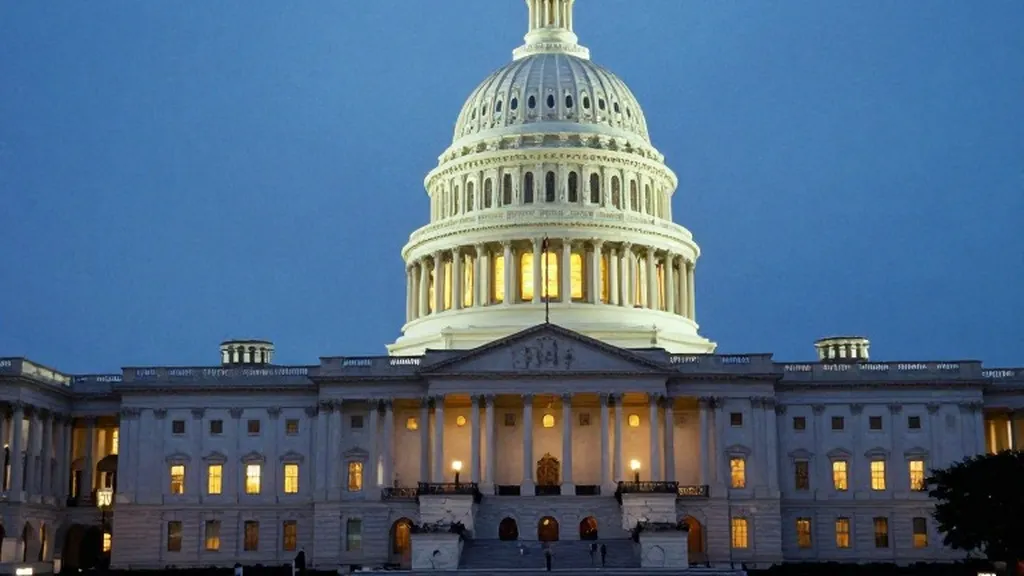
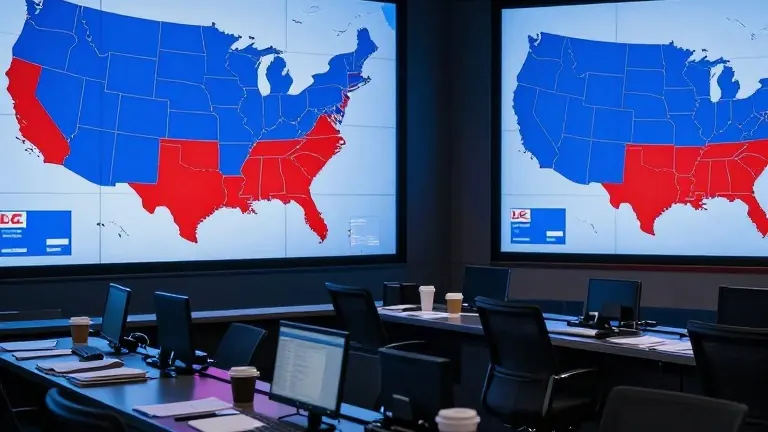
Indiana voters shifted the balance of power at the statehouse on Tuesday, ending a Republican supermajority that had held for over a decade. Democrats gained control of 15 House seats, a change that alters how legislation moves through the chamber. The loss of the supermajority means the party in power can no longer override a gubernatorial veto or pass certain major decisions without Democratic support.
The shift in numbers grants Democrats more seats on committees. This increase in representation gives the minority party greater leverage to influence policy outcomes. Republicans retain the majority in both the House and the Senate, but the margin of victory has narrowed considerably. Some races remain too close to call, leaving the final tally fluid as votes are counted.
House Minority Leader Phil GiaQuinta said his caucus expects to be taken more seriously in upcoming negotiations. He described his team as pragmatic problem solvers who intend to work across the aisle on serious issues. GiaQuinta did not list specific policy proposals on Wednesday but indicated that affordability will remain a central focus for his members.
The election results forced a rapid leadership change among House Republicans. Speaker Todd Huston conceded his race to Democrat Lauren Cole on Wednesday, citing difficult national headwinds. Huston served as Speaker before losing his seat in Hamilton County. Following the loss, House Republicans nominated Rep. Ben Smaltz of Auburn as the new Speaker.
Smaltz, a key architect of last year's redistricting push, pledged to focus on affordability and high-paying jobs. He stated that redistricting is unlikely to be a priority for the new session, noting that voters are focused on immediate economic concerns. Rep. Matt Lehmen of Berne was named Majority Leader, while Rep. Jake Teshka of North Liberty was appointed Majority Caucus Chair.
Several long-serving Republicans lost their seats in what political observers described as a national blue wave. Rep. Bob Behning of Indianapolis, a leader in education policy since 1992, was unseated. Rep. Ed Soliday of Valparaiso, who served for 20 years, lost to Democrat Ryan Kominakis. The wave also carried Democrats to victory in two statewide offices, with Beau Bayh winning the Secretary of State race and Jessica Bailey winning the Comptroller race.
In the Senate, the situation remains uncertain. Republicans moved forward with Chris Garten as their choice for President Pro Tem, a position he sought after Rodric Bray stepped aside. Garten holds a roughly 300-vote lead over Democrat Nick Marshall, but Marshall has not conceded while waiting for remaining votes. Garten announced Sen. Eric Koch as Majority Floor Leader on Wednesday despite the unresolved race.
Aaron Dusso, a political science professor at Indiana University Indianapolis, attributed the gains to national sentiments regarding affordability and the war with Iran. He noted that Democrats will need to build on this momentum to maintain relevance in 2028. The legislative session officially begins on Nov. 17, when the new composition of the chambers is formalized.