Democrats Seize Congress and 28 Governorships in Historic Midterm Shift
Voters have handed Democrats control of both chambers of Congress and a majority of governorships, marking the largest single-election change in state power since 2010.
By Luca Harrison ·
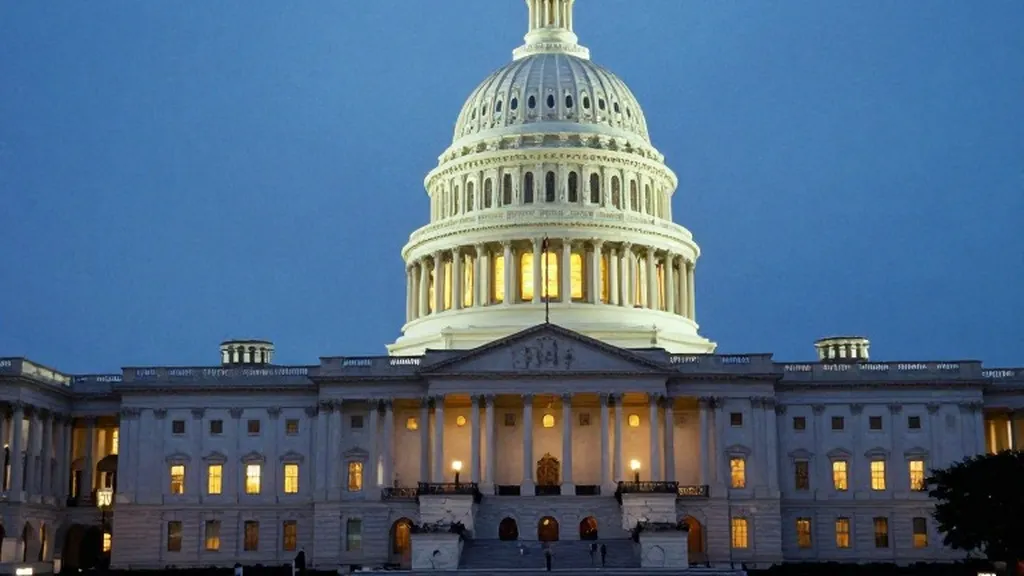
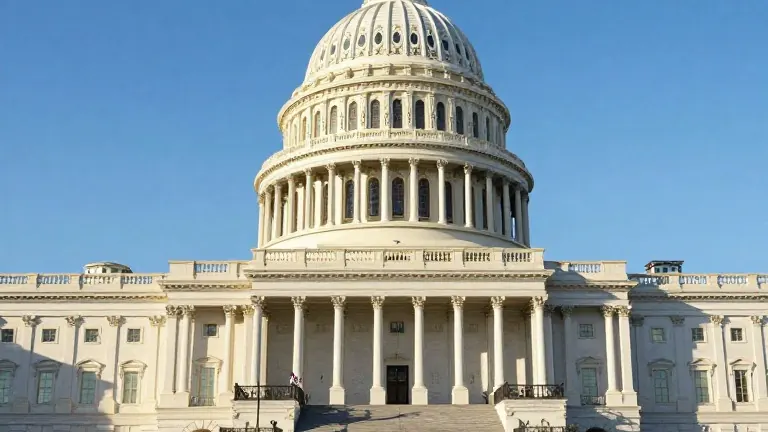
Washington, D.C., is facing a fundamental reshaping of power following Tuesday’s midterm elections, as Democrats secured decisive victories in both the U.S. House of Representatives and the U.S. Senate. According to Ballotpedia data available as of the early hours of Wednesday, November 4, Democrats won 233 seats in the House and 20 of the 35 contested Senate seats. These results grant the party full control of the federal legislature, ending the two-year period of unified Republican control that began with the 2024 elections. The Associated Press reported that the scope of these gains was staggering, with Democrats ousting Republicans from coast to coast in a sweep that surprised many political observers.
The shift in power extends well beyond the federal capital, with Democrats capturing at least 28 governorships in the 2027 cycle. This includes pickups in long-held Republican strongholds such as Georgia, Iowa, Ohio, and Texas. In Texas, Gina Hinojosa was elected as the state’s first Democratic governor since Ann Richards in 1994. The Associated Press noted that Democrats also took control of the Texas House for the first time since 2002. Katie Owens Hubler, director of elections and redistricting at the National Conference of State Legislatures, described this as the biggest single-election change of partisan power in state governments since 2010.
Voters expressed deep dissatisfaction with the current direction of the country, citing high gas prices, inflation, and the lack of affordable housing as primary drivers for their votes. The AP Voter Poll indicated that about three-quarters of voters felt angry or dissatisfied with the country’s trajectory. Approximately 8 in 10 respondents said inflation had caused severe or moderate financial hardship for their households. These economic concerns dominated the campaign, with both parties focusing on kitchen-table issues such as the cost of groceries, utility bills, and healthcare access.
President Donald Trump, whose party suffered a significant defeat, gave extended comments Wednesday morning regarding the construction of a new White House ballroom rather than the election results. He spent nearly 20 minutes discussing the building project before briefly addressing reporters. Trump insisted that if he were on the ballot, he would have won in a landslide. He suggested that his party’s candidates did not receive enough love from voters, despite his efforts to urge supporters to treat him as a candidate. The AP noted that Trump has a long history of deflecting blame for election losses to members of his own party.
Republicans attempted to maintain their congressional majority through a series of mid-decade redistricting efforts across eight states. However, this strategy ultimately fell flat. In Texas, Florida, and Alabama, the new maps failed to secure the expected Republican gains. In fact, Democrats won many of the seats that Republicans had targeted for flipping. Former Attorney General Eric Holder, chair of the National Democratic Redistricting Committee, stated that the Republican redistricting plan was systematically dismantled by voters who chose a new Democratic majority.
The new Democratic leadership in Congress has already outlined plans to tackle the high cost of living and confront the administration’s policies. House Democratic Leader Hakeem Jeffries, who is expected to become the first Black speaker of the House, pledged to work hard to deliver on the dramatic change voters demanded. Democrats are promising a 100-day agenda that includes efforts to lower gas and grocery prices, as well as bills to reverse cuts to healthcare programs. Oversight committees are also preparing to launch investigations into the executive branch.
In the Senate, Democrats gained control by winning seven seats that had previously been held by Republicans. These gains included victories in South Carolina and Kansas, states that had not elected a Democratic senator since 1932. Decision Desk HQ projected that Democrats would win control of the chamber as early as 11:19 PM Eastern Time on Tuesday. This victory ends an era of rapid judicial appointments for the Republican party, which had used its previous majority to reshape the federal courts with conservative judges.
State legislatures also saw significant turnover, with Democrats gaining control of at least five states where they previously shared power. In Wisconsin, Democrats broke a 16-year Republican majority in the state legislature. Devin Remiker, chairman of Wisconsin’s Democratic Party, said it is now time to deliver on the promises made to voters. Heather Williams, president of the Democratic Legislative Campaign Committee, noted that the party had not flipped this many seats nationwide since the 1980s. She emphasized that the new mandate focuses on middle-class issues like educational opportunities and healthcare access.
Republicans are now in a minority position in both federal chambers, with House Speaker Mike Johnson reportedly not seeking reelection as party leader. The Associated Press reported that House Democrats are ready to launch a robust oversight agenda, with some members issuing warnings to the administration about upcoming investigations. The new balance of power in Washington and state capitols signals a period of intense legislative activity, with Democrats poised to challenge the administration on issues ranging from energy policy to artificial intelligence development.
The election results also had immediate global implications, with world leaders reacting to the shift in U.S. Political power. British Prime Minister Andy Burnham expressed hope that the new Congress would focus on ending the war in Iran, which has contributed to soaring fuel prices. Ukrainian President Volodymyr Zelenskiy said he hoped the Democratic gains would generate more support for Ukraine in its conflict with Russia. The Associated Press noted that the election outcome will likely affect U.S. Energy and environment policy, as Democrats seek to address the economic concerns that drove their broad victory on Tuesday.