Illinois Politics: 11 More Counties Back State Separation from Cook County
Unofficial results show unanimous approval for referendums that task local boards with seeking admission to the union as a new state.
By Luca Harrison ·
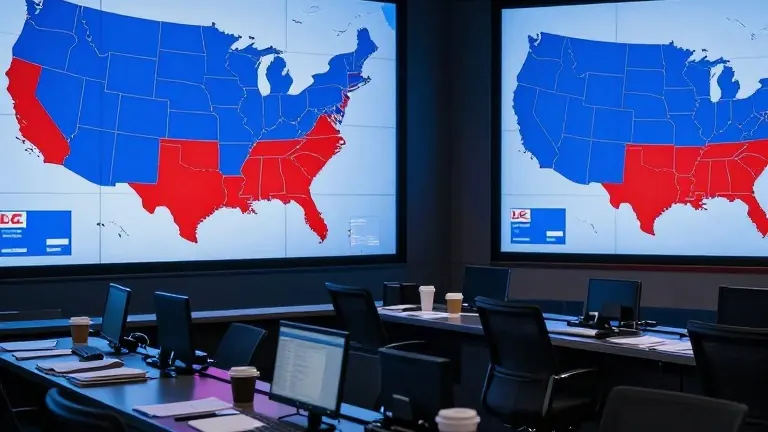
Unofficial election results indicate that all 11 Illinois counties that voted on separation referendums on Tuesday approved the measures. The ballots instruct county boards to communicate with other non-Cook County boards about forming a new state. This outcome extends a growing trend of local governments exploring the legal and political mechanics of detaching from the state's most populous county.
The vote was decisive in several districts. Washington County recorded support from more than three-quarters of voters. Henderson County followed with 73.1% in favor, and Gallatin County registered nearly 70% approval. The specific wording on the ballots varies slightly by county but generally asks if the board should correspond with other Illinois counties outside Cook County regarding the possibility of separation and seeking admission to the union.
Illinois Separation, the organization driving the campaign, cites Article IV, Section 3 of the U.S. Constitution as the legal basis for the movement. The group argues that counties dissatisfied with Cook County's influence on state politics should have the option to form their own entity. According to the group, 33 counties have now voted in favor of such referendums in previous elections, with no county rejecting the proposal to date.
State leadership has expressed skepticism about the feasibility of the plan. Governor JB Pritzker described the effort as a stunt. Attorney General Kwame Raoul has questioned the legality of the move, noting that the creation of a new state is a complex process that requires more than a local ballot measure. These officials represent the executive branch's current stance on the growing number of affirmative votes.
The ballot language specifies that the action is subject to the approval of the people. It directs boards to explore collaboration with other counties. The process is not automatic; it initiates a dialogue between local governments. Illinois Separation plans to place these questions on more ballots in future elections. The group utilizes a combination of petition-driven referendums and decisions made by county boards to get the questions before voters.