Democrats win Congress on affordability, face tough path to passing laws
Voters expressed high anxiety over costs of living, but the new majority lacks the numbers to override presidential vetoes on key economic bills.
By Luca Harrison ·
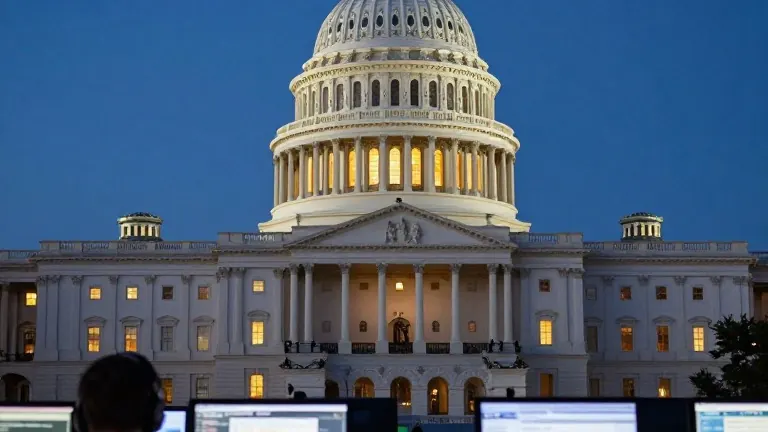
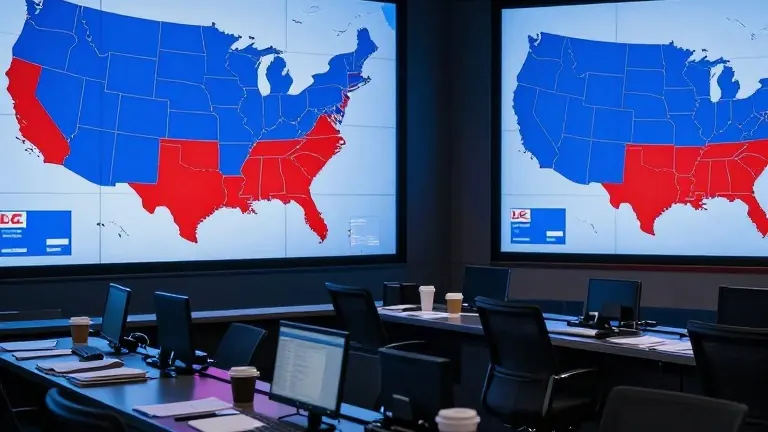
Democratic candidates captured both chambers of the U.S. Congress in the midterm elections held on Tuesday, November 3, 2026. The party won control based on a campaign focused on reducing the cost of daily necessities. More than 80% of voters in the NBC News Exit Poll reported worry about the prices of gas, groceries, and healthcare. This marked a shift from 2024, as voters this year expressed greater trust in Democrats regarding the economy compared to Republicans.
Democratic candidates in states ranging from Kansas to South Carolina to Maine consistently emphasized inflation. They contrasted their message with Republican efforts to focus on socialism, crime, and Islamophobia. Following their victory, House Democratic leader Rep. Hakeem Jeffries of New York told NBC’s “TODAY” show that his party is focused on the affordability crisis. He described the situation as crushing everyday Americans.
The new majority faces a structural hurdle in January when the new Congress convenes. Democrats have a reasonable chance of passing legislation to limit presidential tariff authorities or restrict military action in Iran. They also plan to reinstate healthcare funding cuts made by Republicans. However, President Trump retains the power to veto any bill. Democrats do not hold the two-thirds supermajority required in either chamber to override such a veto.
President Trump stated he would be willing to work with the opposition after the results were projected. This stance mirrors a similar offer he made to Democrats after their 2018 wins, a period that produced limited legislative action. Jeffries, who is considered the front-runner for the speakership, has outlined specific economic goals. He intends to restore Affordable Care Act tax credits that expired in 2025 and reverse Medicaid cuts and work requirements from the 2025 tax bill.
In the Senate, Sen.-elect Ron Wyden of Oregon indicated that the Finance Committee would prioritize taxes and rising healthcare costs. He also mentioned investigating banks linked to the Jeffrey Epstein sex trafficking crimes. Sen.-elect Abdul El-Sayed of Michigan, who campaigned on expanding Medicare to all Americans, said he feels a mandate to pass legislation. He noted his focus on removing money from politics and putting money in voters' pockets.
Sen.-elect James Talarico of Texas has proposed eliminating tax cuts for the wealthiest households. He also wants to provide free pre-K for three and four-year-olds and expand down payment assistance for first-time homebuyers. Talarico said on Wednesday that he is open to collaborating with Trump on issues like suspending federal gas taxes and reducing housing red tape. He also expressed agreement with the president on legalizing marijuana and reforming the criminal justice system.
Other Democratic proposals include ending the war in Iran to lower gas prices and suspending the federal gas tax. Some candidates also pledged to limit the construction of new data centers to curb electricity costs. According to exit polls, 69% of voters believe the economic system favors the wealthy, while only 31% view it as generally fair. This sentiment resonated strongly during the campaign.
The economic environment remains challenging for the new leadership. While unemployment is low, job growth is concentrated in sectors like healthcare. The war with Iran has driven up gas prices and mortgage rates, reigniting inflation fears. Economists attribute the current economic stagnation largely to Trump's tariffs, which raised consumer prices and weighed on manufacturing. Although his tax cuts helped fund corporate investments, the Washington-based nonprofit Tax Foundation reports that higher prices have offset some of those savings.
President Trump has previously dismissed cost of living concerns as a hoax and blamed Democrats for high prices. At a rally in Georgia last month, he noted that oil companies are making large profits from high gas prices. In Montana, he told supporters that prices have come down, a statement made hours after the Bureau of Labor Statistics released data showing annual inflation jumped to 3.7% in September.