Advisors Tell Clients to Hold Steady as Tech Stocks Plunge
Thirty-eight firms responded to a poll saying major portfolio changes are not needed despite the Dow dropping over 1,800 points Thursday.
By Takeshi Davidson ·
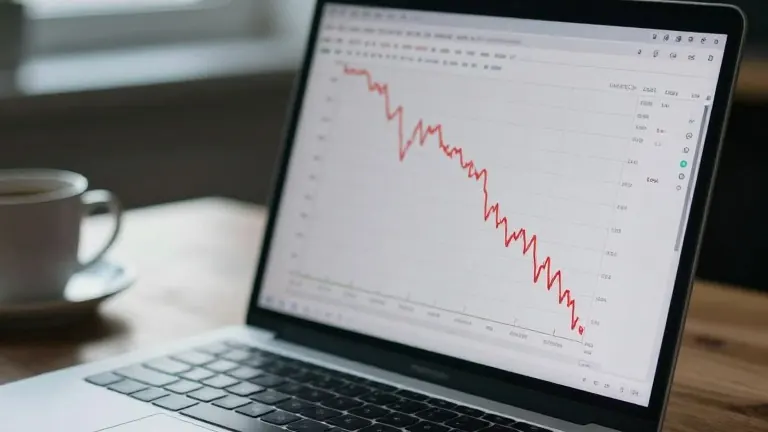
Nasdaq futures rose during pre-market trading on Friday, reversing the previous day's steep losses in chip stocks. This movement follows a sharp sell-off that saw the Nasdaq Composite fall 5.5% on Thursday, placing the index more than 10% below its recent high and into correction territory. The Dow Jones Industrial Average lost more than 1,800 points, a 3.4% decline that erased all gains from post-election trading.
The S&P 500 recorded its largest one-day drop since April 2025. The decline was driven by a retreat from technology stocks and growing anxiety over the pace of data center construction. These concerns intensified after major Democratic victories in recent midterm elections. Retail investors reacted by selling individual stocks, with heavy selling concentrated in the tech sector.
A flash poll conducted on Thursday afternoon asked 121 financial firms about their client advice. Thirty-eight firms responded. More than three-quarters of the respondents advised investors to verify that their current asset allocation still matches their long-term financial goals. The consensus among these professionals is that short-term market turbulence should not trigger immediate, drastic changes to investment strategies.
Andy Pratt, director of investment strategy at Burney Wealth Management in Reston, Virginia, said ongoing contributions to retirement accounts can help during downturns. He explained that regular deposits allow investors to practice dollar-cost averaging. This method buys shares at lower prices when markets fall, which can improve long-term returns by securing a more favorable valuation.
John Mullen, CEO of Parsons Capital Management in Providence, Rhode Island, described the prevailing advice as staying the course while watching for buying opportunities. He noted that well-constructed portfolios usually do not need major modifications during periods of stress. However, he said panic can be a useful signal to check if an investment still fits an individual's risk tolerance.
Carolyn McClanahan, a certified financial planner and physician in Jacksonville, Florida, told clients to stick strictly to their written investment policies. She advised investors to focus on their specific needs and ignore market noise. She believes this disciplined approach helps maintain financial stability during volatile periods.
Tra Sullivan, chief investment officer at Beaird Harris Wealth Management in Dallas, provided historical context for the current moment. He noted that the U.S. stock market has often risen in the 12 months following midterm elections. Sullivan described this as a general pattern rather than a guarantee. He added that markets typically recover from declines faster than investors expect, though past performance does not ensure future results.
Dan Moisand, a financial advisor in Orlando, Florida, emphasized that resilience is often more profitable than trying to time every market swing. He advised long-term investors to prioritize staying in the market over attempting short-term trades. Sullivan said that if market weakness continues, he will focus discussions with clients on their broader financial plans.
The poll found that most professionals do not believe it is time for major portfolio adjustments. The data shows a clear preference for consistency over reaction. Advisors are urging clients to keep their strategies intact despite the sharp volatility seen this week.
More Business · National news · Consumer Alerts · Report a business · Got a Story?