Democrats seize control of both chambers of Congress in sweeping midterm win
The party of the minority has taken the House and Senate, marking a historic shift in power that will define the next two years of governance.
By Takeshi Davidson ·

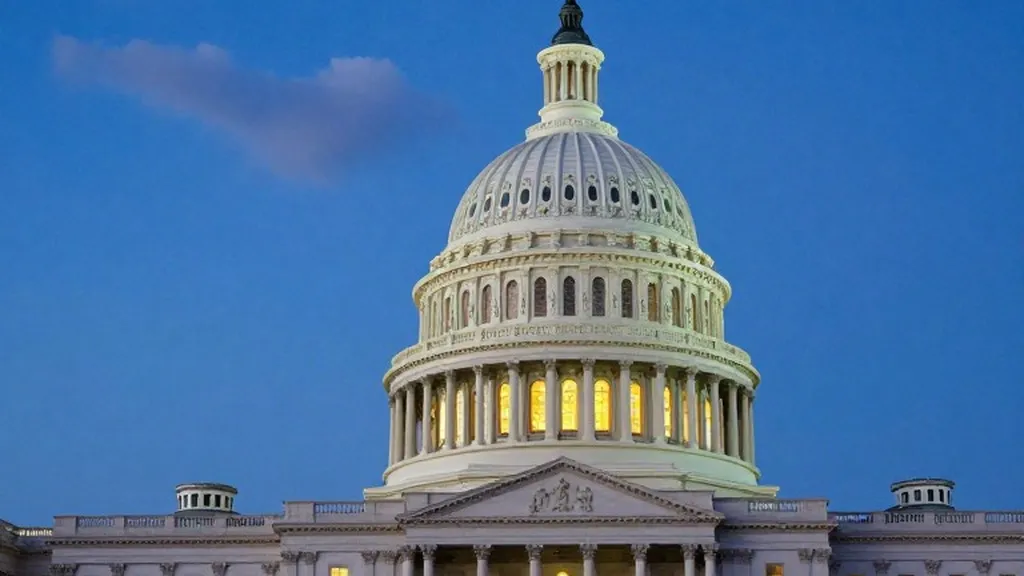
Democrats have secured majorities in both the U.S. House and the U.S. Senate, a decisive outcome that reshapes the balance of power in Washington. As of the latest results, Democrats hold at least a 250 to 157 majority in the House and a 54 to 44 majority in the Senate. This result ends the Republican control of both chambers that had been in place for the previous two years. The shift represents a significant net loss for the Republican Party, with the party losing at least seven U.S. Senate seats and 42 House seats. These losses place the election in the top 20% of election years in terms of seat swings against a president’s party, a threshold often defined as a wave election.
The control of Congress now rests with the party that opposed the sitting president for most of the prior cycle. This development means that legislation moving forward will face a new set of hurdles and opportunities. The Democratic majority in the Senate provides a key advantage in the legislative process, including the ability to pass certain bills with a simple majority. In the House, the larger margin of victory gives Democrats substantial leverage in committee assignments and the selection of leadership. The new chamber composition reflects a broad coalition of voters who turned out in large numbers to support Democratic candidates across the country.
The election results also signal a major shift in state-level governance. Democrats have won a majority of governorships for the first time since before the 2010 elections. They have secured 22 of the 36 gubernatorial races that were on the ballot, compared to 12 for Republicans. This gain in executive power at the state level allows Democratic leaders to implement policies in areas such as education, infrastructure, and healthcare without needing to negotiate with Republican governors. The shift in state houses is even more pronounced, with Democrats winning 46 of the 88 state legislative chambers on the ballot. This control of state legislatures will influence everything from redistricting maps to state budgets and tax policy.
The concept of the trifecta, where one party controls the governor’s office and both chambers of the state legislature, has shifted significantly. Democrats now hold 20 trifectas, compared to 16 for Republicans. This is a notable change from the previous cycle, where Republicans held the majority of these combined controls. The change in trifecta status occurred in 11 states, with six states moving from divided governments to Democratic trifectas and five states moving from Republican trifectas to divided governments. This realignment suggests that the Democratic Party has made substantial gains in areas where it previously lacked full control of state government.
The Republican Party’s loss of control in Congress is a significant setback for the administration. President Donald Trump’s party had held both chambers, allowing for a more unified approach to legislation. With Democrats now in control, the administration will need to work with a Congress that is likely to be more critical of executive actions. The new Democratic leadership in both chambers will have the power to set the legislative agenda, potentially prioritizing issues such as healthcare, infrastructure, and climate change. This shift could lead to a more contentious relationship between the White House and Capitol Hill, with both sides vying for influence over the nation’s direction.
The election results also highlight the changing dynamics of American politics. The Democratic victory in the House was driven by strong performance in suburban districts and key battleground states. The party’s success in the Senate was fueled by a combination of high voter turnout and effective campaigning. The Republican Party’s losses were concentrated in states where Democrats had made significant investments in ground game and advertising. The results suggest that voters are responding to the performance of the sitting president and the direction of the country. The election serves as a check on the executive branch, providing a counterbalance to the administration’s policies.
The new Congress will face several immediate challenges, including the confirmation of presidential nominees and the passage of key legislation. Democrats will need to work quickly to establish their agenda and build coalitions within their party. The party’s diversity, including new members from different backgrounds and regions, may help to broaden its appeal and effectiveness. The Republican minority will also need to organize its opposition and prepare for future battles. The shift in power will likely lead to a more active legislative session, with both parties pushing for their priorities.
The election results have also had an impact on the White House’s internal dynamics. President Trump has announced changes in his administration, including the replacement of his chief of staff with Stephen Miller, a key figure in the administration’s immigration policies. The offer of the press secretary role to UFC boss Dana White, while unconventional, highlights the administration’s willingness to experiment with new approaches. These changes reflect the administration’s effort to adapt to the new political reality and to strengthen its position in the face of a Democratic Congress. The administration will need to navigate the complexities of working with a Congress controlled by its opponents.
The shift in control of Congress also affects the balance of power in the statehouses. Democrats’ gains in gubernatorial races and state legislatures will allow them to implement policies at the state level that align with their national agenda. This could lead to a more coordinated approach to issues such as healthcare and education. The Republican Party will need to regroup and prepare for future elections, focusing on building its base and developing new strategies. The election results serve as a reminder of the importance of voter turnout and the impact of local campaigns on national outcomes. The next two years will be a test of the new Congress’s ability to govern effectively and respond to the needs of the American people.