Republicans face 35-seat House loss in 1958-level blow to President
Voters in red states rejected the President's leadership, resulting in the largest midterm defeat for an incumbent party since 1958.
By Luka Evans ·
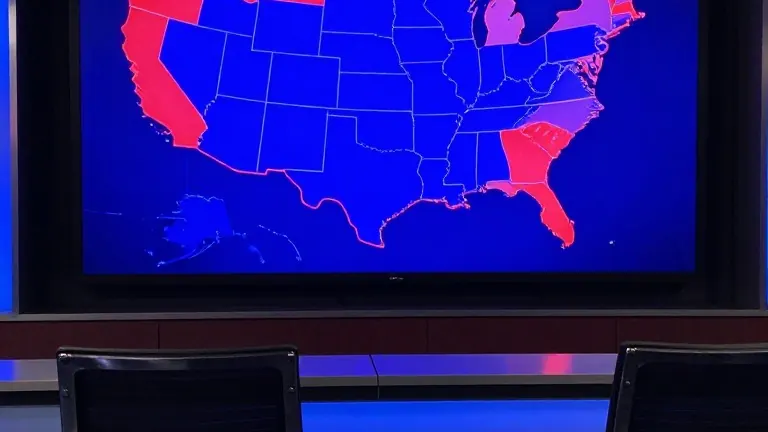
The 2026 midterm elections have delivered the most decisive rejection of an incumbent president since 1958, with Republicans projected to lose at least thirty-five seats in the House and up to eight in the Senate.
This scale of defeat marks a historic shift, as the last time a president's party suffered such losses in a midterm cycle was during the 1958 elections, a period that predates the modern political era.
The results reflect a widespread withdrawal of support from the President's own base, rather than a failure of voter turnout among Republicans.
J. D. Vance acknowledged this trend on social media, stating that many individuals who voted for the Trump-Vance ticket in 2024 switched to Democratic candidates in 2026.
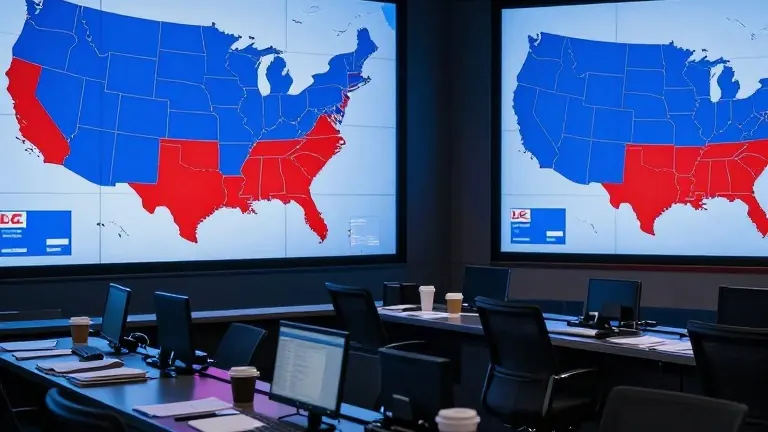
The shift occurred in states that previously favored the President by wide margins, including Iowa, Kansas, Michigan, North Carolina, South Carolina, and Texas.
Following the initial results, President Trump attempted to distance himself from the outcome while simultaneously criticizing his allies and media outlets.
On election night, he posted that he was not on the ballot and would have won in a landslide if he had been, before blaming Texas Governor Greg Abbott for becoming a "RINO" and losing his race.
Trump also attributed the losses to Fox News, claiming the network bore responsibility by consistently featuring the opposition, and posted an image of a red cap with the word "VETO" on it.
In an interview with Bret Baier, the President stated, "I shouldn't feel guilty. It's just a point in time," while telling The New York Times he was "absolutely willing" to accept the results.
The campaign strategy focused heavily on the President's personal brand, a move that critics describe as a direct disavowal of his leadership by his party's voters.
Vance cited the Iran war and high diesel prices as primary factors, noting that the President himself had identified the war as a reason for the loss.
However, the magnitude of the defeat suggests a broader dissatisfaction with policies including tariffs, trade wars, and the administration's handling of domestic issues such as ICE enforcement and infrastructure costs.