Midterm Shifts Limit Trump's Options on Economy and Iran
A historian predicts the president must secure denuclearization and economic growth before Democrats take control in January.
By Luka Evans ·
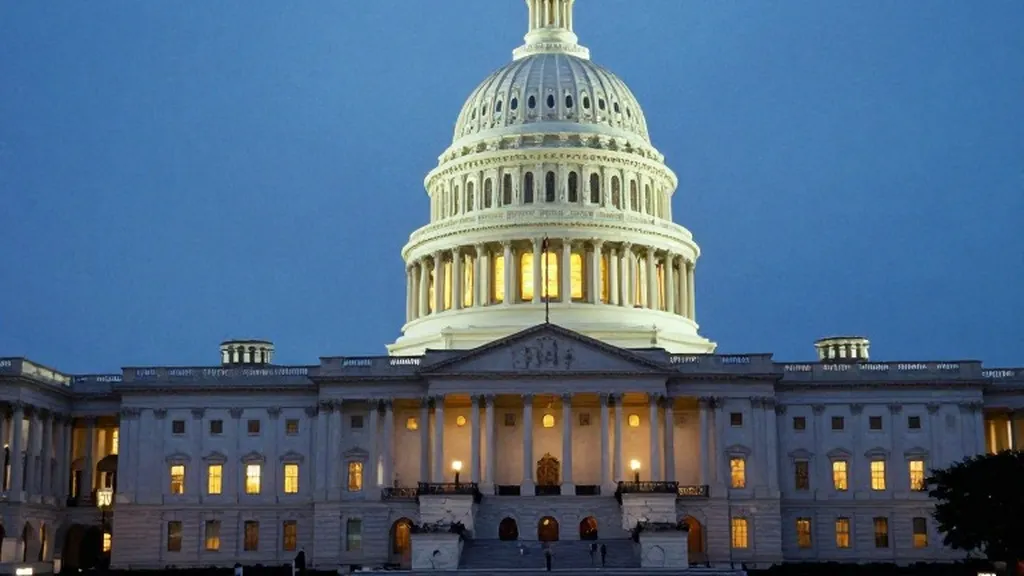
President Donald Trump faces a constrained environment for his final two years in office as Democrats assume control of both chambers of Congress in January. Victor Davis Hanson, a senior fellow at Stanford University’s Hoover Institution, stated that the president's legacy will depend on whether the economy improves and Iran achieves denuclearization quickly. Hanson argued in The Free Press that these two factors will define the administration's success or failure during the divided government period.
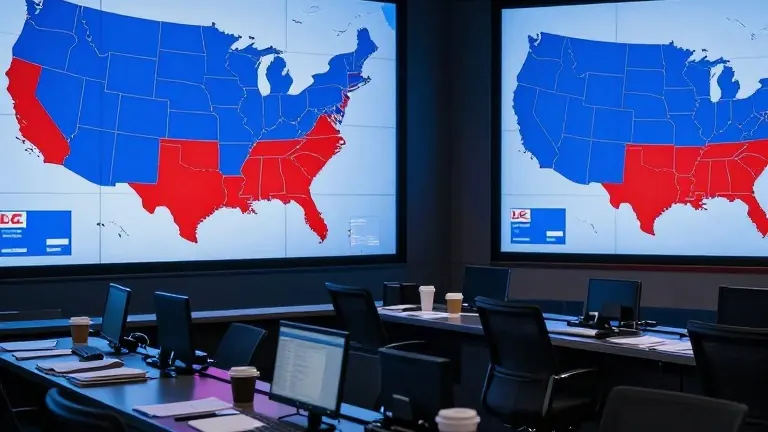
The shift in power followed Tuesday's midterm elections, where Democrats won the House and the Senate. They secured key victories in Texas, North Carolina, Ohio, and Kansas. The new Democratic majorities will take office in January, creating a check on the executive branch for the remainder of Trump's term. Reuters reported that voter frustration regarding the cost of living and the Iran war contributed to these results.
Trump accepted the election outcome and indicated he intends to work with the new congressional leadership. However, he maintained his stance that he will veto legislation he deems unacceptable. Overriding such a veto requires a two-thirds vote in each chamber, a higher threshold than the simple majority the Democrats now hold. This structural dynamic gives the president a degree of protection against immediate legislative reversals, though it limits his ability to pass new bills easily.
Hanson expects Trump to rely heavily on executive orders for domestic policy while retaining significant freedom in foreign affairs. He predicted that Democrats would block judicial and Cabinet nominations, a tactic he compared to the midterm defeats suffered by Bill Clinton in 1994 and Barack Obama in 2010. The Senate's authority to confirm senior officials provides Democrats with a direct tool to slow down the administration's personnel decisions.
Yonah Jeremy Bob, writing for The Jerusalem Post, noted that Democrats could further constrain the White House through investigations and pressure on defense budgets. He urged Israel to engage with both the president and congressional Democrats to address security concerns regarding Iran. The congressional pressure is expected to focus heavily on the handling of the Iranian nuclear program.
Hanson warned that the Democratic party might weaken its own position by overreaching after its victories. He cited the political backlash against Republican efforts to remove Clinton from office as an example of how congressional victories can lead to miscalculations. He said, “I think the Democrats will overreach.”
The historian also argued that the election of candidates he views as left-leaning could influence the 2028 presidential race. He specifically named Abdul El-Sayed in Michigan and James Talarico in Texas as examples. He suggested that these victories may push future Democratic contenders toward more progressive positions as they seek the nomination.