Israeli Election: 77.7% Turnout Sets Stage for Complex Coalition Talks
With Netanyahu and Eisenkot neck and neck, the fate of the next government rests on the 16 seats held by Arab parties and a multi-week negotiation process.
By Luka Evans ·

77.7 percent of Israeli voters cast ballots when the polls closed on Tuesday, marking the highest participation rate since 1999. The Central Elections Committee confirmed the figure as the first stage of counting began. This surge in engagement accompanied what many observers describe as one of the most consequential votes in the nation’s 78-year history.
The race to succeed the current government remains tight. Binyamin Netanyahu, the country’s longest-serving leader, heads a far-right coalition that includes his Likud party. His main challenger is Gadi Eisenkot, a former military chief of staff who leads a center-right opposition bloc. Eisenkot lost a son in the war in Gaza that followed the Hamas-led assault of October 7, 2023.
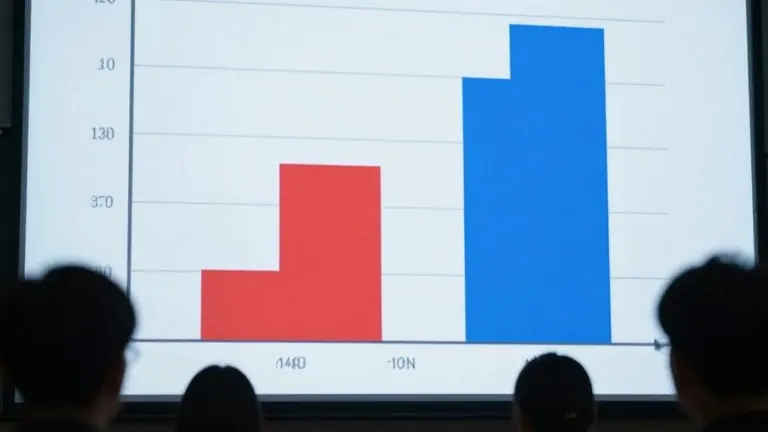
Initial exit polls published by mainstream television networks immediately after voting ended suggested Eisenkot would secure more seats. However, a different picture emerged by Wednesday morning. With half of the votes counted, projections showed Netanyahu’s bloc edging ahead. The leading tally estimated 56 seats for Netanyahu’s camp and 48 for Eisenkot’s in the 120-member Knesset. The remaining seats are projected to go to Arab parties.
The final count is not yet complete. Votes from army bases, hospitals, and diplomatic outposts have not yet been tallied. These votes are expected to be counted over the next day or two. Historical data indicates that ballots from these locations often trend toward the right.
The path to forming a new government is complicated by the need for a majority. No single party has ever won a majority of votes in the Knesset. A governing coalition must secure at least 61 lawmakers to command a majority. The two Arab parties, forecast to win 16 seats, have indicated they would support Eisenkot. They view ousting Netanyahu as necessary to prevent a new term they consider an existential threat.
Internal friction exists within the opposition bloc. Two other leaders in Eisenkot’s coalition have stated they would refuse to serve in a government that includes the Arab parties. Their condition is that the Arab parties must declare Hamas a terrorist organization and recognize Israel as a Jewish state.
President Yitzhak Herzog will decide who attempts to form a government first. He is not obligated to choose the leader of the largest party. Instead, he may select the candidate he believes is most likely to forge a coalition that can win a vote of confidence in the Knesset. The official results are expected by November 4.
The first candidate selected has 28 days to negotiate alliances. This deadline can be extended by 14 days. If that attempt fails, the president may select a second candidate, who receives 28 days without the option of an extension. A third candidate may be chosen by a majority of Knesset members and granted 14 days. If all three attempts fail, new elections are announced.
Historically, forming a government has taken between 20 and 100 days. According to the Israel Democracy Institute, no government has been sworn in less than 50 days after an election. Prediction markets had favored Eisenkot until the early hours of Wednesday. By then, odds had shifted, with Polymarket placing Netanyahu at 55 percent and Eisenkot at 27 percent for the leadership role.
Both Netanyahu and Eisenkot expressed confidence that they would become the next prime minister. The process now shifts from the ballot box to the negotiation table, where smaller parties will determine which bloc can assemble the necessary 61 votes to govern.