How Home Gardeners Use Cover Crops to Boost Soil Health
Planting non-harvestable greenery between seasons can suppress weeds and add nitrogen, but it requires careful timing to avoid crowding out spring vegetables.
By Takeshi Davidson ·
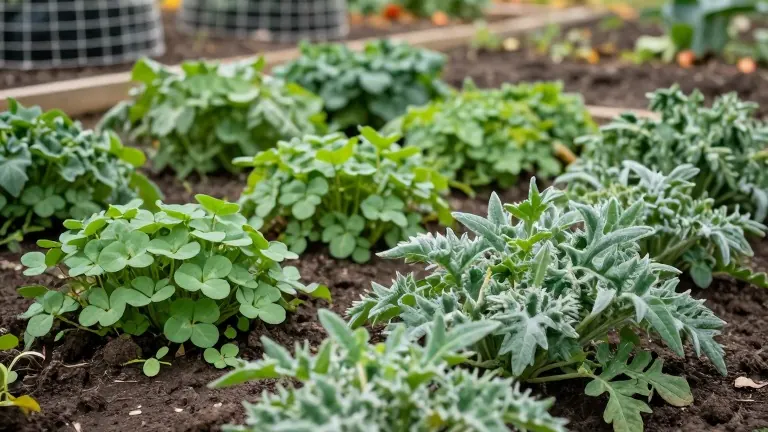
Home vegetable gardeners can improve their soil fertility and manage weeds by planting cover crops during the off-season. These plants are not intended for harvest. Instead, they serve to enhance the quality of the dirt, which can lead to better yields for the next round of vegetables.
The process involves sowing seeds in early fall after the last harvest of summer crops. This timing allows the garden to remain active rather than sitting fallow. Perennial species can also be used as living mulch, growing in the open spaces between rows alongside active vegetable plants.
The primary benefit for a home gardener is weed suppression. Establishing a cover crop before weeds emerge prevents them from setting seed. Some specific plants also release chemicals from their roots that actively inhibit the growth of nearby weeds.
Soil structure and fertility improve as these crops increase organic matter. The biomass added below the soil surface creates better pore space. This change improves water infiltration, drainage, and aeration. It also helps the soil hold onto water and nutrients more effectively.
Gardeners looking to add nitrogen can plant legumes such as clover, peas, or hairy vetch. These plants work with beneficial soil bacteria to capture nitrogen from the atmosphere. This makes the nutrient available for future garden crops. Other cover crops help recycle nutrients by absorbing them from the soil before they are lost to groundwater or runoff. When the cover crop is cut down, the decomposing plant material releases those nutrients back into the earth.
The plants also protect against soil erosion. Their leaves and stems slow the movement of water across the surface, while their roots hold the dirt in place. This reduction in runoff speed allows more water to sink into the soil rather than washing away the topsoil.
Selecting the right species depends on a gardener's specific goals. If the priority is weed control, fast-growing varieties are the best choice. For soil management, plants that produce substantial biomass are preferred. For fertility, nitrogen-fixing legumes are the standard option. The Midwest Cover Crop Council has developed a decision tool to help gardeners match species to their needs and local planting dates.
Most cover crops are sown in late summer or early fall. Some species will naturally die over the winter. Those that do not winter-kill require manual termination two to four weeks before spring planting. This timing ensures the cover crop does not compete with the new vegetable seedlings for resources.
Termination methods vary by plant type. Gardeners can use soil tarps, broad-forking, tilling, weed-whacking, or crimping to kill the crop. Turning the plant material into the soil is another common approach. Katrina Burmeister, a certified Master Gardener volunteer with the University of Illinois Extension, advises that research into specific species is vital. She notes that without proper planning, cover crops can become difficult to control and may create more problems than they solve.
More Business · Consumer Alerts · Report a business · Got a Story?