Cybercab Customers: Your Ride Could Arrive Before Christmas
Tesla has set a target for late 2026 deliveries of its autonomous two-seater, though most units will remain company-owned rather than private purchases.
By Ama Boateng ·
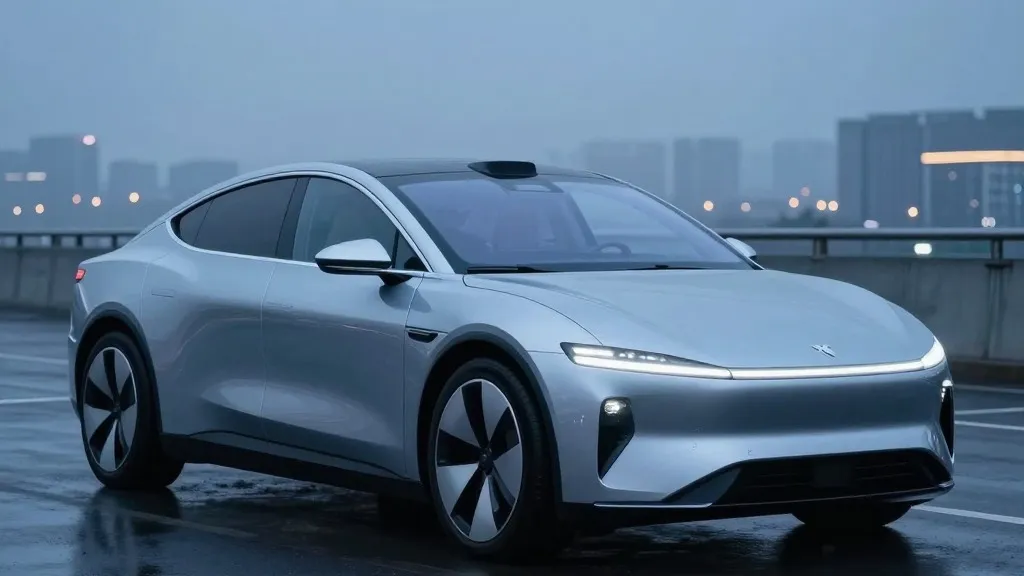
For those keeping an eye on the electric vehicle market, the long wait for the Tesla Cybercab may be ending sooner than expected. After months of speculation and shifting timelines, the company has finally pinned down a window for when the first units will reach private hands. If the plan holds, customers could be taking delivery of the purpose-built robotaxi before the calendar flips to 2027. This marks a significant shift from the vehicle’s initial rollout, which was exclusively reserved for Tesla’s internal fleet, and signals that the two-seater is ready to enter the broader market.
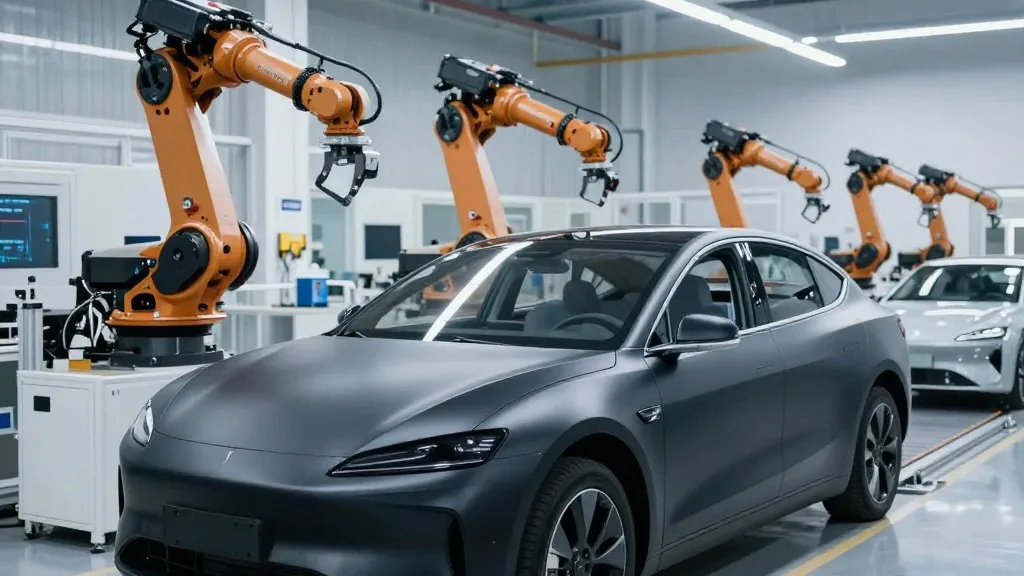
The specific target was confirmed during Tesla’s third-quarter earnings call on October 21. Lars Moravy, the company’s Vice President of Engineering, stated that the goal is to get Cybercabs into the hands of customers by the end of 2026. While the production line at Gigafactory Texas is already churning out these vehicles, Moravy clarified that every unit currently rolling off the line is being kept for Tesla’s own Robotaxi fleet. This internal accumulation is a strategic move to ensure the company has a robust operational base before opening the doors to private sales.
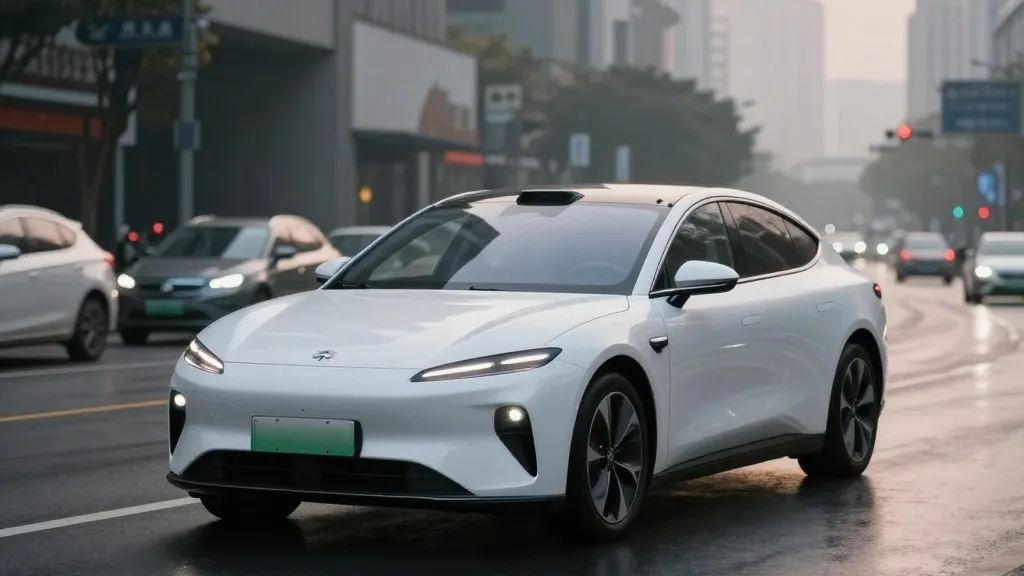
The financial and structural numbers behind this launch are distinct from Tesla’s other models. The Cybercab is designed as a two-seater without a steering wheel or pedals, relying entirely on the company’s Full Self-Driving software. Tesla has previously suggested a price point of approximately $30,000 for the vehicle. Production began in February, and the first units joined the public-facing Robotaxi service in early September. However, the path to private ownership is not a simple copy-paste of the Model 3 or Model Y sales process; it involves a more complex integration of fleet management and autonomous operations.
Elon Musk, the CEO, played a crucial role in defining the ownership model during the same call. He emphasized that the Cybercab is not intended to be a traditional personal vehicle in the same way as the current lineup. Instead, he described it primarily as a "transport-as-a-service" offering. According to Musk, the vast majority of these vehicles will remain Tesla-owned. This distinction is vital for potential buyers, as it suggests that while private sales will occur, they will represent a small fraction of the total fleet, with the bulk of the cars continuing to operate within the company’s shared ride-hailing network.
The people involved in this transition include the engineering and AI teams who are currently fine-tuning the logistics of handing over control to external owners. Moravy noted that initial deliveries to customers will be small-scale. This phased approach allows the company to gain practical experience with delivery logistics, ownership models, and the nuances of managing autonomous vehicles that are no longer under direct corporate control. It is a cautious rollout designed to mitigate risks associated with the first-ever wave of private, wheel-less autonomous cars.
The stakes for the industry are high, as this vehicle represents a new category of transportation. While the Cybercab is built for autonomy, there are still hurdles to clear before widespread private adoption. Ashok Elluswamy, Tesla’s Head of AI, indicated that unsupervised Full Self-Driving is expected to ship to consumer cars in the second quarter of 2027. This timeline suggests that early Cybercab buyers or fleet operators in late 2026 might still face geographic restrictions on their autonomous capabilities, depending on the pace of regulatory approvals in their specific areas.
For ordinary consumers in the region, this means the technology is moving from a novelty service to a tangible product you can potentially own. However, the reality is that the first wave of private buyers will be part of a learning curve for the entire industry. The company is balancing the desire to sell hardware with the need to maintain a massive, self-sustaining fleet. As the year draws to a close, the focus will shift from production numbers to the actual handover process, testing whether the infrastructure can support a mix of company-owned and privately held autonomous vehicles.
Source: Teslarati