22: The New Starship Count for a Moon Landing
A recent NASA safety panel estimate suggests 22 launches are needed to fuel a lunar mission, raising questions about the timeline for returning humans to the Moon.
By Ananya Gupta ·
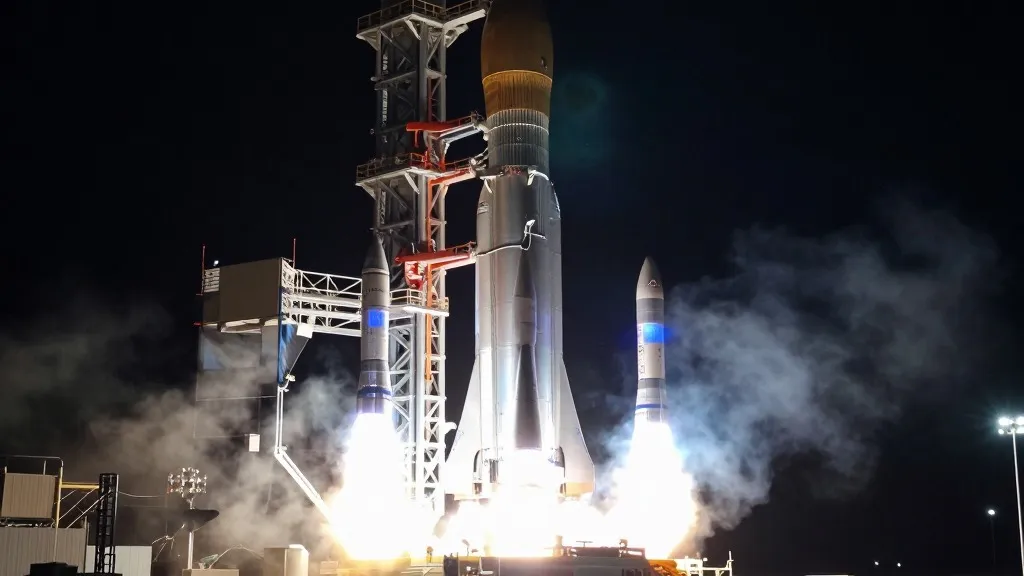
The number is 22. That is the latest internal estimate for how many Starship rockets SpaceX must launch to gather enough fuel for a single crewed mission to the Moon. This figure emerged from discussions at the NASA Aerospace Safety Advisory Panel’s quarterly meeting held on Thursday, October 22, 2026. The panel, which includes former astronaut Charlie Precourt, highlighted the risks associated with the Artemis Program, specifically focusing on the logistical hurdles of landing humans on the lunar surface. This new count marks a significant shift in the conversation surrounding the feasibility of using Starship as the primary vehicle for the upcoming lunar return.
For years, NASA has guarded this specific metric with intense caution. Unlike other program details, the exact number of launches required to fuel a Starship-based lunar lander in low-Earth orbit has been treated as a closely held secret. The agency has generally declined to provide a definitive answer, preferring to say it does not know for sure. This opacity has led to speculation and varied estimates over time. However, the release of the 22-launch figure provides a concrete data point that was previously elusive, offering a clearer picture of the operational demands placed on SpaceX.
The history of this estimate is one of movement and ambiguity. In 2023, Lisa Watson-Morgan, who served as the director of NASA’s Human Landing System, indicated that while the agency had a general idea, she was reluctant to state the exact figure. She later described the number as falling within the range of "high single digits to the low double digits." That earlier assessment suggested roughly a dozen launches. In such a scenario, SpaceX would launch one "depot" Starship to orbit, followed by approximately 11 "tanker" Starships to deliver the necessary liquid oxygen and methane propellant for the lunar voyage.
Other NASA officials have previously cited higher estimates, with some suggesting the number could reach the "high teens." The long-standing hope among agency leadership was that SpaceX would achieve dramatic improvements in Starship’s lift capacity. Such advancements would theoretically reduce the number of tanker flights required, making the operation more efficient and less risky. The move to a 22-launch estimate suggests that these anticipated efficiency gains may not have materialized as quickly as expected, or that the mission requirements have evolved to demand more propellant than previously calculated.
The people involved in this debate include key figures from both NASA and the aerospace safety community. Charlie Precourt, a former NASA astronaut, was a prominent voice at the Thursday meeting, outlining the specific risks tied to the Artemis Program. His comments underscore the complexity of orchestrating multiple launches to assemble a functional spacecraft in orbit. Lisa Watson-Morgan’s earlier statements also remain relevant, as they set the baseline for previous expectations. The interplay between these officials and the data they present shapes the current understanding of the program's viability.
The stakes for this timeline are high. There is growing concern among some NASA officials that SpaceX may not be able to improve Starship’s performance rapidly enough to play a meaningful role in returning humans to the Moon within this decade. If 22 launches are required, the logistical burden increases significantly. Each launch adds potential points of failure and consumes valuable time in the overall mission schedule. The ability to execute this volume of flights with the necessary reliability is now a central issue for the success of the Artemis Program.
As the panel continues its review of Artemis risks, the 22-launch estimate serves as a critical benchmark. It reflects the current state of the technology and the operational plans in place. For readers in the Great Lakes and Ohio Valley, the story serves as a reminder of the complex engineering challenges involved in space exploration. The journey to the Moon is not just about building a rocket; it is about mastering the precise choreography of fueling that rocket in the void of space.
The next steps for NASA and SpaceX will likely involve further analysis of this new estimate. Agencies will need to determine if the 22-launch scenario is a temporary hurdle or a permanent feature of the Starship-based lunar architecture. The outcome of this analysis will influence future planning and resource allocation for the Artemis Program. For now, the number 22 stands as a testament to the scale and complexity of returning humanity to the lunar surface.
Source: Ars Technica