Novi Sad tragedy fuels Student List to 140 seats after Vucic concedes
Voter turnout reached its highest level in over 30 years in Sunday's snap election, ending the decade-long rule of the Serbian Progressive Party.
By Takeshi Davidson ·
Aleksandar Vucic admitted defeat to the Student List on Sunday after a sample of votes showed his party trailing the student-led coalition. The Serbian Progressive Party (SNS) is expected to secure 105 seats in the 250-member parliament, while the Student List is projected to take between 135 and 140 seats.
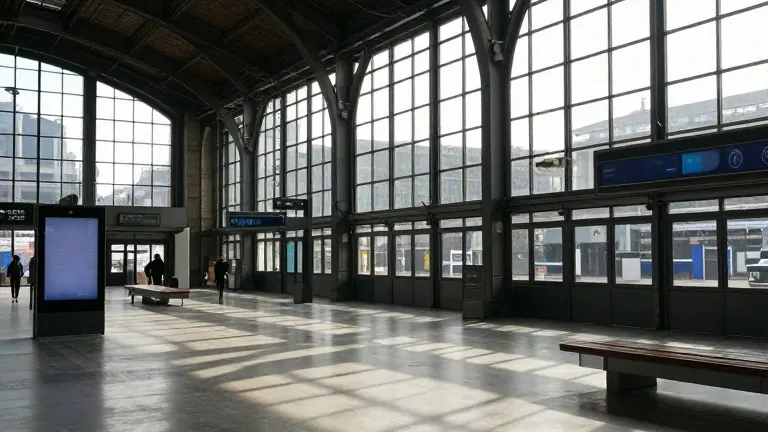
Vucic addressed his supporters to confirm the outcome, stating, "It is clear that we have lost these elections." The snap vote marked a shift in Serbian politics, driven by a movement that formed in response to a specific tragedy. The political platform emerged after 16 people died when a train station canopy collapsed in Novi Sad on November 1, 2024.
The initial grief of that event evolved into a two-year protest campaign. University professors, doctors, and workers joined the demonstrators, who demanded an end to corruption and the depoliticization of public institutions. Ilija Srdanovic, a professor at the Faculty of Medicine in Novi Sad, led the campaign for the Student List.
Vucic, who has shaped the country's political direction for over a decade, described the protesters as "blockaders" and argued they sought to destabilize the state. He resigned as president in September to call for early elections, a move forced by the sustained pressure of the street demonstrations. His presidential term had originally been scheduled to run until 2027.
The election took place against a backdrop of high civic engagement. Turnout reached its highest level in more than 30 years. Voters weighed the economic record of the SNS, which presided over a period of rapid growth and infrastructure development, against a growing sense of institutional decline.
Since 2012, the Serbian economy has expanded substantially. Unemployment fell from 26 percent to a range of 8 to 9 percent. Nominal gross domestic product nearly tripled to approximately 90 billion euros. Annual foreign direct investment inflows climbed from 800 million euros in 2012 to a record 5.2 billion euros in 2024, according to official data cited by Reuters.
Despite these macroeconomic figures, the debate over living standards intensified. Rising costs of living and public debt remained central themes. Safeta Bisevac, a journalist who has covered Vucic's career for years, noted that while the party promised to fight corruption and organized crime, the results were modest. She observed that the authorities expanded their control over institutions, media, and political life during the same period.
Vucic's political origins trace back to the ultranationalist Serbian Radical Party, where he entered politics in 1993 under the leadership of Vojislav Seselj. He co-founded the SNS with Tomislav Nikolic in 2008 to position the party closer to mainstream European politics. Bisevac recalled that Vucic was initially less popular than Nikolic, serving essentially as the organizer of the newly formed party.
The loss represents a break from the ruling party's dominance. Dusko Radosavljevic, a political scientist, attributed the outcome to the frustration of the electorate. He stated that the students gave a voice to the justified anger of citizens, adding that the past decade was defined by systematic pressure and the destruction of social institutions.