Nintendo releases Ocarina of Time remake on Switch 2
The 1998 classic returns with modernized controls and updated visuals, though developers adjusted long-standing character quirks to streamline gameplay.
By Takeshi Davidson ·
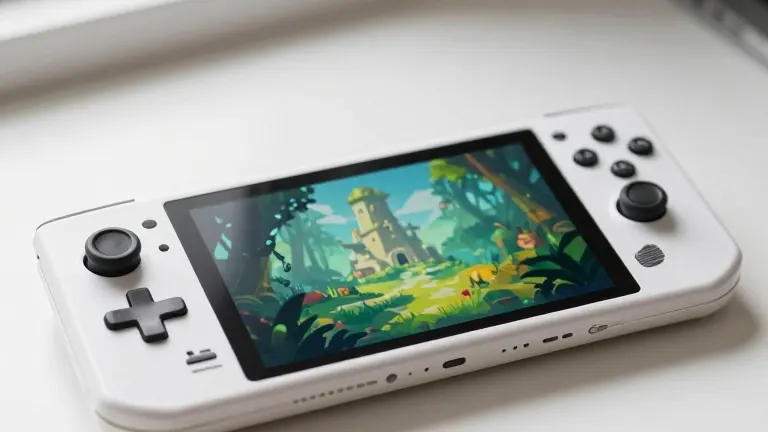
Nintendo launched a remake of The Legend of Zelda: Ocarina of Time on Switch 2 on Thursday. The release marks the 28th anniversary of the original game, which launched in 1998. The new version updates the 1998 title for current hardware while maintaining its core narrative about the hero Link saving Hyrule.
The remake replaces the original's fixed camera angles with an over-shoulder perspective. While this change removes the top-down view used during stealth sequences in Hyrule Castle, it aligns with modern third-person action standards. New jump and sprint buttons make traversal feel more natural compared to the original controls. Combat mechanics are smoother, although switching targets between enemies remains less fluid than in newer titles like Elden Ring.
Inventory management has changed to a quick-swap menu similar to the system in The Legend of Zelda: Tears of the Kingdom. This allows players to switch items without pausing the game, a departure from the pause-menu system of the past. The update also introduces a Threads of Time quest log to help players who get stuck. The notoriously difficult Water Temple has been redesigned to be more accessible, and currency wallets now hold twice as many rupees.
However, the updated economy requires players to pay for upgrades that were previously free. Great Fairy upgrades now cost up to 500 rupees. Visual enhancements include high-definition textures that contrast with the game's stylized proportions. Some character models have been altered, such as Nabooru, who now features exaggerated makeup. These aesthetic changes have drawn mixed reactions from players familiar with the original designs.
The developers also softened the personalities of several characters to reduce friction in the gameplay loop. Mido, who originally blocked progress in Kokiri Forest as a bully, is now portrayed as an overbearing but well-intentioned leader. The owl Kaepora Gaebora no longer repeats dialogue frequently, and the fairy Navi has reduced her interruptions. These adjustments aim to make the experience less frustrating for modern audiences.
The remake positions the game ahead of a live-action film scheduled for release next year. It represents a conservative approach to updating a classic title, prioritizing familiarity over innovation. The game serves as a bridge between the 3D era of 1998 and current standards, ensuring the title remains relevant for new generations of players.