Amazon Bee Frontier tests memory trust
A reviewer’s three-week trial of the always-on wearable revealed how AI summaries can conflict with personal recollection of therapeutic and medical events.
By Luca Harrison ·
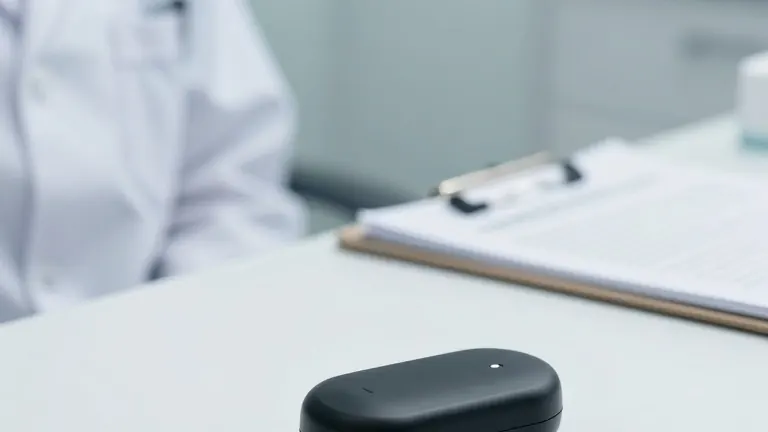
Victoria Song, a senior reviewer for The Verge, told her therapist to throw the Amazon Bee Frontier out the window during a session last week. The device is an always-recording AI wearable that transcribes and summarizes conversations. Song used the product for approximately 19 months, noting that while it improved at distinguishing speech from background noise, it often produced summaries that contradicted her own memories.
Amazon launched Bee Frontier to help users track conversations, generate to-do lists, and identify personal growth areas. The system pulls data from calendars and photos and can suggest Amazon products based on spoken details. Song reported that the device helped her remember job-related talking points but frequently caused her to question her reality. In her third week of use, she sought her therapist’s opinion after asking for consent to wear the device during their meetings.
Song’s decision to wear the device in therapy was influenced by a long history of uncertain family memories. She grew up with parents who often disagreed on past events and later developed dementia. This background made her seek an objective record of her life. She now feels gaslit by the device’s interpretations, which often misidentify speakers and assign incorrect emotional tones to conversations.
The AI generated several inaccurate conclusions about Song’s personal life. It claimed she argues with a coworker’s spouse, a person she has never met. It suggested a family member has undiagnosed bipolar disorder, a condition no one has mentioned. The device also identified multiple additional cats based on nicknames used for her two actual pets, Petey and Pablo. These errors ranged from humorous to disorienting.
The most significant conflict arose during a therapy session where Song discussed a childhood experience with domestic violence. The Bee Frontier categorized this moment as a factual event requiring user validation. Song had to swipe right to approve the summary, which described the session as intense and emotionally raw. She recalled the session as cathartic and light, creating a discrepancy between her felt experience and the AI’s analysis. The device titled the summary “Reclaiming Reality from Manipulative Power.”
Song also forgot to turn off the device during an annual physical exam. The Bee Frontier recorded the consultation and described her as wistful and grieving while discussing her late dog, Daisy. She recalled the conversation as a fond remembrance. The device’s medical template provided a more factual summary than its default mode, which included tonal analysis. However, the differing outputs left Song uncertain about which version represented the truth.
The device’s “Grow” feature generated insights based on a two-minute setup recording where Song described her hobbies. The AI concluded that she dabbles in too many interests without serious commitment. It suggested she pick one hobby to focus on for the next three months. This recommendation ignored her history of maintaining calligraphy and cross-stitch practices for 17 years and finishing 39 books in 2026. The device also cited her reading list to claim she had made little progress on books.
Another “Grow” insight analyzed a political discussion with Song’s spouse. The AI characterized her tone as analytical rather than activist and suggested she complete a concrete political action under 30 minutes that week. Song noted that the conversation stemmed from a joking comment made while watching The Daily Show. The recommendation failed to account for her actual experience as a union organizer and canvasser.
During the final session where Song asked for her therapist’s input, the therapist stated that outsourcing memory to AI can exacerbate rumination and perfectionism. She argued that the device supersedes a person’s ability to trust their own instincts. The therapist suggested that for someone with anxiety, the AI’s insights might not be emotionally attuned to the user’s needs. The two agreed that Song would feel relieved when she stopped wearing the device.
The Bee Frontier did not add the decision to throw the device out the window to Song’s suggested to-do list. It did, however, generate a reminder to buy nail glue, complete with a link to Amazon.