Stargate brings 10 million dollars in tax revenue
A Detroit panel addressed the gap between data center tax incentives and rising public opposition in Michigan.
By Luka Evans ·
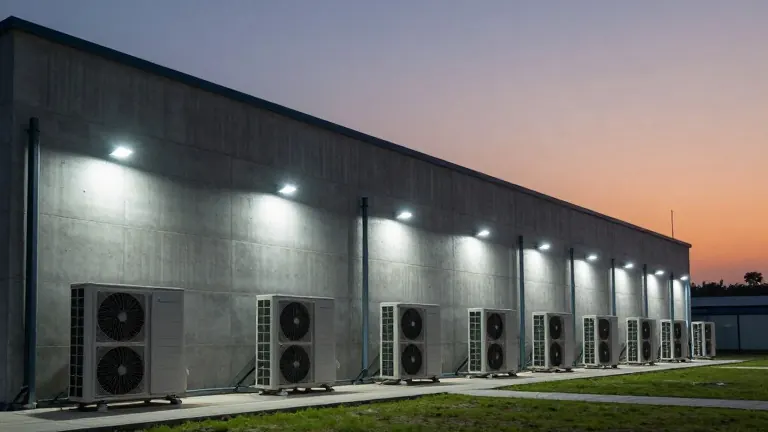
Saline Township officials expect annual property tax revenue from the Stargate data center to jump to more than $10 million, a sharp rise from the previous few hundred thousand dollars. Jeff Guilfoyle, a senior strategist at Public Sector Consultants, cited this figure during a panel discussion at the inaugural Bridge Michigan Issues Summit. The facility, developed by Oracle and OpenAI, is projected to create 450 permanent jobs and support thousands of temporary construction positions.
The summit, held at Marygrove Conservancy in Detroit, attracted over 375 attendees either in person or virtually. The event concluded Bridge Listens, a yearlong journalism project that surveyed more than 6,400 readers. Data centers and environmental concerns topped the list of issues identified by the survey respondents. The panel focused on the tension between state economic goals and the physical demands of high-tech infrastructure.
Lawmakers passed sales and use tax exemptions for qualifying data centers two years ago to attract developers. Michelle Martinez, director of the University of Michigan Tishman Center for Social Justice and the Environment, described the move as opening the floodgates to development. She noted that residents often felt blindsided by the speed and scope of the construction, with few channels to voice concerns in the decision-making process.
Brenda Stumbo, a Ypsilanti Township supervisor, agreed that the process moved too quickly. She stated that lawmakers welcomed the industry without consulting local officials who would later negotiate with developers. Stumbo described the rush as a factor in the current public pushback, which polls show has led nearly two-thirds of Michiganders to oppose new data centers in the state.
Erik E. Nordman, director of Michigan State University’s Institute of Public Utilities, addressed the energy implications. A single 1-gigawatt facility consumes as much power as a large U.S. city. In some areas, adding data centers has lowered residential rates by spreading the cost of grid maintenance across more customers. In others, demand has outstripped capacity, driving rates up. Michigan law currently prevents utilities from forcing other customers to pay for investments specific to data centers.
Nordman expressed uncertainty about meeting the state’s mandate for 100% clean energy by 2040. He explained that the original legislation assumed flat demand growth, a condition that no longer holds. Martinez added that data center demand in other states, such as Texas with its 424-gigawatt backlog, drives new fossil fuel investments that affect air quality in Michigan.
The panel concluded that while the economic benefits are tangible for specific towns like Saline, the regulatory framework is under strain. Developers continue to seek land and energy sources across the state. The November election will see candidates address these policy gaps as the number of proposed facilities grows.
Source: Bridge Michigan