Robotics Manufacturing: Tesla Shifts Focus to Optimus Academy
Tesla is deploying thousands of robots in a dedicated training facility to generate the data needed for autonomous operation.
By Ahmed Mansour ·
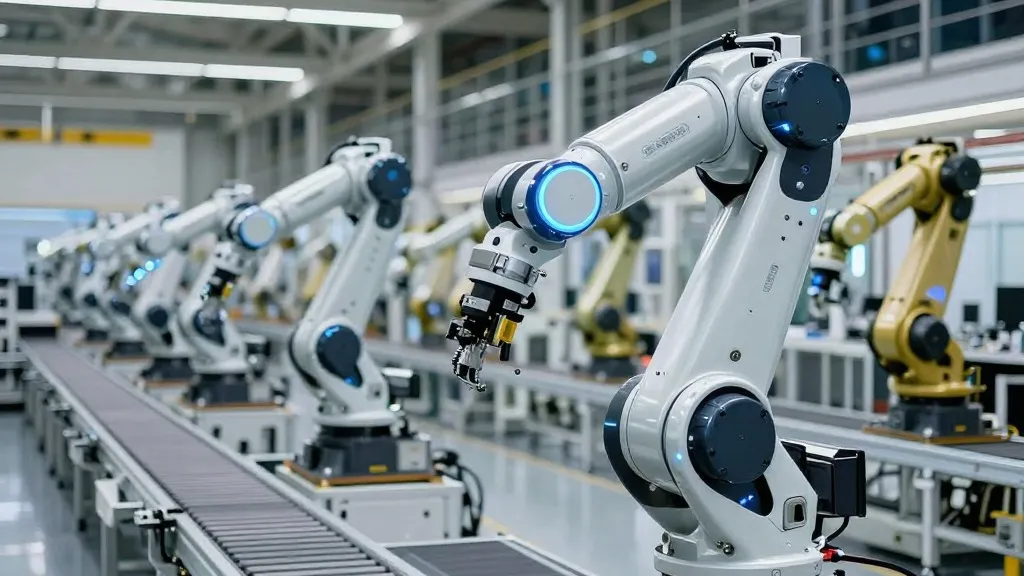
Tesla has officially confirmed that its Optimus robots are now meeting production quality standards, marking a critical transition from prototype to commercial product. In its third quarter shareholder letter, the company stated that the units coming off the new high volume line are the first to satisfy the requirements for a real market offering. This announcement signals that the manufacturing process has been proven suitable for commercial scale, a milestone that validates years of development work and sets the stage for broader deployment.
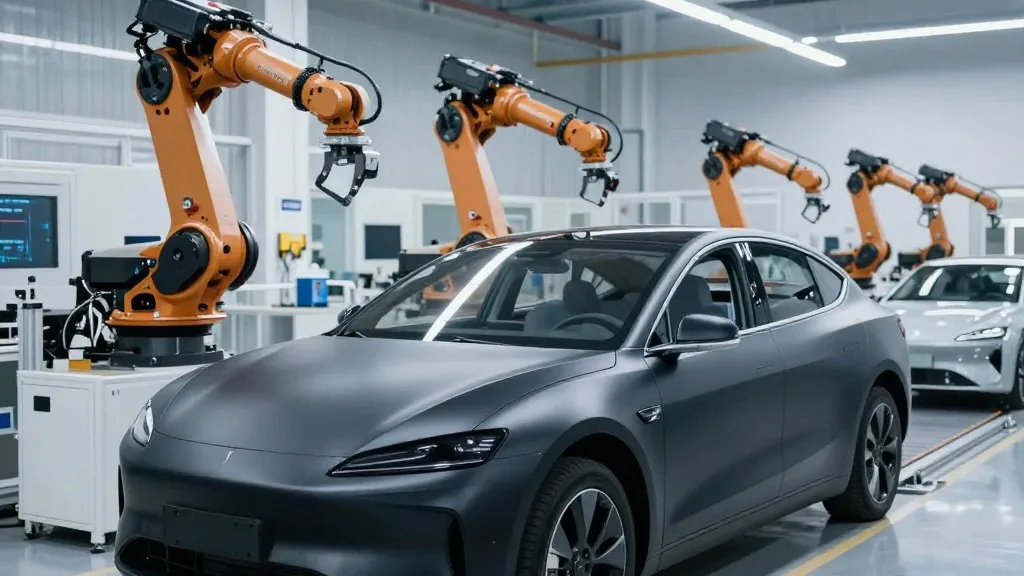
The physical infrastructure supporting this shift is already in place. The production line occupies the space in the Fremont factory that previously assembled the Model S and Model X. Tesla cleared that legacy vehicle line in just 46 days to make room for robot production capacity sized for one million units annually. During the Wednesday earnings call, CEO Elon Musk noted that most of the necessary equipment is already installed. Output is expected to climb toward roughly 20,000 robots per week as the line reaches full ramp, following what Musk described as a classic S curve with an initially shallow slope.
A central challenge for the program is how to teach these machines to think. Unlike Tesla’s cars, which benefit from training data sent back by millions of vehicles on the road, Optimus does not have a comparable fleet. To solve this, Tesla is launching an Optimus Academy. This initiative will involve 10,000 to 20,000 robots practicing a wide range of tasks. Every unit produced will feed its learning experiences back into the system, allowing the AI to improve continuously. This data flywheel is essential for moving beyond scripted movements toward true autonomy.
The people driving this effort are focused on refining the robot’s AI, electromechanical design, and reliability. Musk expects this phase of work to be completed by the end of next year. At that point, Tesla plans to begin delivering Optimus to outside companies for jobs that are dangerous, repetitive, and require around the clock operation. The goal is to create a product that can handle real world conditions rather than just performing well in controlled demonstrations.
Hardware upgrades are also on the horizon to support this growth. Tesla intends to integrate its AI5 chip into the robots next year. A new video is expected within one or two months to show the robot completing tasks driven by AI rather than preprogrammed motions. Musk has specifically criticized rival humanoid demos that rely on scripted routines, arguing that such methods will not hold up in practical applications. The company is also engineering the robot for volume, with production costs trending toward the expected manufacturing cost of the Cybercab.
The supply chain is aligning with these ambitions. In September, Tesla certified Tuopu, Joyson, and Sanhua as mass production partners for Optimus components. A much larger factory is also under construction at Giga Texas, where drone footage shows the steel frame nearing completion. That facility has a long term target of producing 10 million robots a year. Despite these advances, the hands remain the toughest piece of the design. Much of the current engineering effort is focused on solving this challenge, a point Musk highlighted at a recent takeover event.
The stakes are high for Tesla and the broader robotics industry. By establishing a clear path to mass production and a robust training methodology, Tesla is positioning itself to dominate the labor automation market. The move from prototype to production quality is a tangible step toward a future where robots handle the most difficult physical tasks, potentially reshaping industries from manufacturing to logistics.
Source: Teslarati