Deadlock in Jerusalem: Neither Camp Reaches 61 Seats as Turnout Spikes to 77%
Absentee ballots from soldiers cloud the final count, while both leaders claim mandates in a parliament where Arab parties hold the key to power.
By Luca Harrison ·
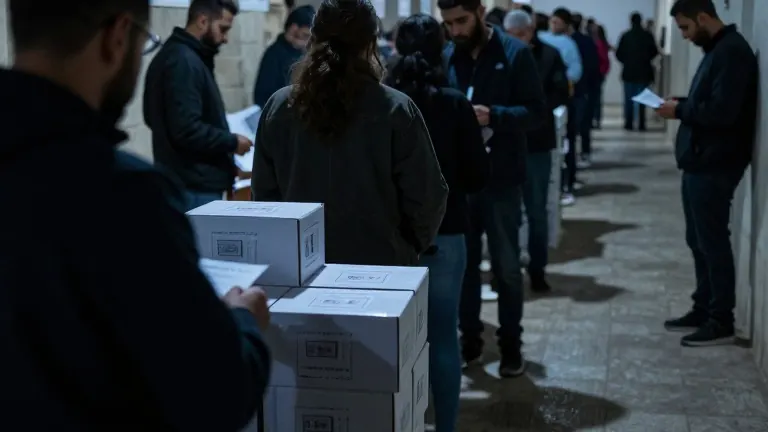
Israelis cast ballots on a Tuesday with a 77% turnout, the highest level recorded in recent history. The high participation rate reflected a deep division in the country over the direction of its government and the role of its Arab citizens.
Initial counts show Benjamin Netanyahu’s Likud party as the largest single group. His existing coalition with ultra-nationalist and ultra-Orthodox partners appears just short of the 61 seats needed for a majority in the 120-seat Knesset. However, the early results are skewed toward areas with strong right-wing support, meaning the final tally could shift.
Gadi Eisenkot, the former army chief and leader of the opposition, also faces a steep path to power. Partial results indicate his bloc will struggle to reach a majority without the support of parties led by Israel’s Arab minority. These Arab-led lists have matched or exceeded their previous record seat counts, positioning them as potential kingmakers.
Most Jewish opposition parties pledged during the campaign not to form a government with Arab-majority lists. They cited a lack of shared values. Yet, the numbers suggest that Eisenkot’s camp may need to break this taboo to secure a governing majority.
A major variable in the count is the high volume of uncounted absentee ballots, which largely represent votes from soldiers serving in various conflicts. Analysts expect these ballots to be tallied over the next day or two, which could alter the balance of power between the two camps.
Netanyahu addressed his supporters overnight, stating that the right-wing bloc has a decisive majority among the Jewish public. He pledged to form a strong national government but stopped short of declaring a total victory. Eisenkot countered that the public had voted against Netanyahu continuing as prime minister. He promised to work quickly with partners to form a stable Zionist government.
Mansour Abbas, head of the Ra’am party, said he expects to join the next government. He noted that politicians often change their stance after elections. Meanwhile, Netanyahu’s allies have begun a campaign to delegitimize the Arab parties, framing them as a security threat. This rhetoric reflects a shift in public sentiment following the October 7 attacks of 2023.
President Isaac Herzog will consult with party leaders next week after the final results are presented. He will grant a mandate to the candidate most likely to form a coalition. That leader has six weeks to assemble a majority. If no one succeeds, new elections will be called. In the interim, the current government remains in a caretaker role without the power to enact major policy changes.