Two Years of Vacancy: When Neighbors Toss Up Their Hands
A reader in a cul-de-sac describes the growing burden of maintaining a vacant property, and the column advises a hard stop on volunteer labor.
By Takeshi Davidson ·
The leaves have been raked for two consecutive autumns, and the roses have been watered through two summers, but the work is done.
A resident in a cul-de-sac wrote to the advice column this week to describe the condition of the house at the end of the road. The property was purchased about 15 years ago by a couple in their 50s. Their daughter lived in the home while their son resided elsewhere. Two years ago, the father died suddenly. The mother subsequently moved out of state to live with relatives, leaving the house empty.
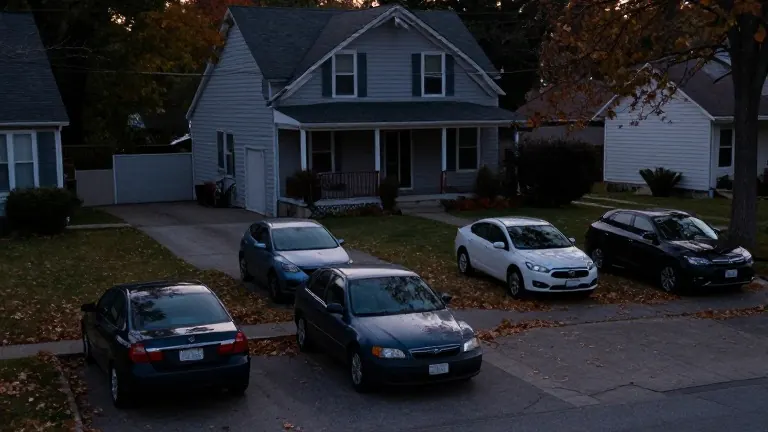
The vacancy has created a logistical problem for the street, which has limited parking space. Five vehicles currently sit on or near the property: one in the side yard, two in the driveway, and two parked on the street in front of the house. The neighbor notes that the taillights on the cars are broken and one window is down, allowing children to enter the vehicles. Despite requests for the owners' children to sell the cars or move them, no action has been taken. The neighbor also reports that the utilities remain unpaid and bill collectors frequently visit the home seeking contact information for the family.
The resident has been performing maintenance tasks to keep the property presentable, including picking up litter and tending to the garden. They expressed concern about the physical strain of managing two yards and asked whether it was their duty to assist creditors in locating the owners' children. The column responded with a firm directive to stop the volunteer labor. It advised the resident to recognize that two years of effort had been made and to no longer step onto the property for free yard work.
Regarding the vehicles, the column called them a safety concern and instructed the neighbor to report them to the police immediately for potential towing. For the administrative issues, the advice was to provide the son's phone number to the bill collectors to stop the inquiries. The column suggested compiling a detailed list of all unsightly conditions on the property and reporting them to the city, predicting that municipal fines would prompt a quick resolution or sale.
In a separate query included in the same column, a reader from Pennsylvania described being hurt by a long-time friend, Carolyn, whose husband died more than 10 years ago. Carolyn's family administers a small annual scholarship in the husband's memory. This year, the award went to a different graduating senior rather than the reader's granddaughter. The column responded that the friendship should not have been a factor in the selection process and advised the reader to accept that the other student may have needed the funds more.