Poundland creditors fear losses from breakup plan
Suppliers warn that a US firm's strategy to sell the retailer in pieces could leave them with unpaid debts.
By Takeshi Davidson ·
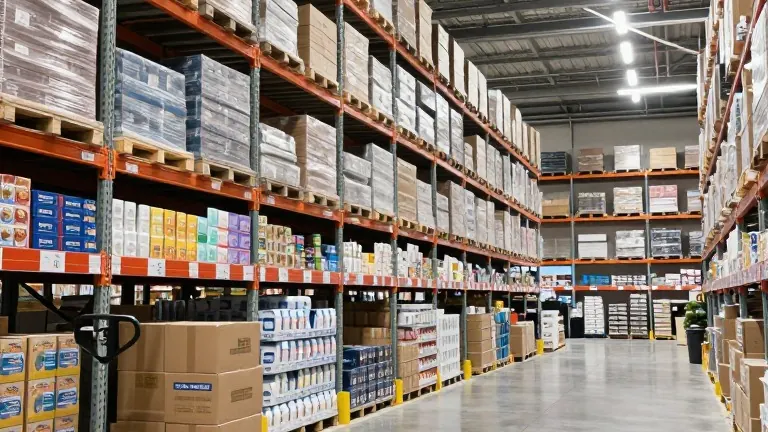
Suppliers to Poundland are warning that they could face substantial financial losses if the retailer enters administration. They argue that the company's US owner is prioritizing its own financial recovery over the stability of the business network that stocks its shelves. These comments arrive as government officials work to secure a rescue package for the struggling chain.
The uncertainty stems from a notice filed at the High Court last Thursday. The document signals an intention to appoint administrators. This development puts the jobs of approximately 12,000 employees and the contracts of around 2,000 suppliers in jeopardy. Gordon Brothers, the US restructuring firm that bought the 600-store chain for one pound last summer, is currently negotiating with at least two potential buyers. One bidder, the Martin Property Group from Northern Ireland, has the support of Poundland's management team.
Gordon Brothers executives are scheduled to meet with Business Secretary Jonathan Reynolds on Wednesday. On the same day, Poundland management will hold separate discussions with Kate Dearden, the minister for the future of work, and the union Usdaw. These talks are taking place under increasing political pressure to resolve the crisis before it worsens.
Insiders suggest Gordon Brothers favors a strategy that involves dismantling the company. This approach would include selling off inventory and packaging individual stores for sale to larger retailers like Tesco or the owner of Poundstretcher. Such a move would help the firm repay a 30 million pound shareholder loan. While this path might save some retail positions, it risks leaving suppliers with large amounts of unpaid stock.
Karan Shah, a director at Universal Toiletries, estimates his company faces a risk of 1.5 million pounds. This figure includes nearly 700,000 pounds in delivered but unpaid stock, plus the value of goods not yet shipped. Shah argued that the owner should explore all options for a solvent deal before maximizing its own return. He noted that the timing of the administration is convenient for the owner because warehouses are full during the busy season.
Universal Toiletries has supplied the chain for about ten years but recently paused deliveries due to payment concerns. Shah described his family business as one that cannot easily absorb such a hit. Since Poundland is the company's largest client in the UK, the potential loss is damaging to its operations.
Andrew Kay, chief operating officer of toy ball supplier John Leisure, said his firm would need to find new homes for over one million products. Many of these items were made specifically for Poundland and are already in transit for the next spring. Kay noted that other retailers might reject the specific sizes and quantities, making the process costly and difficult. He felt the investment firm is profiting by starting administration while stores are filled with unpaid stock.
Adam Turner, sales director at confectionery supplier Highcrest Retail Brands, said his company is set to lose millions in payments for stock already supplied. Although Highcrest found alternative buyers for some inventory and holds some insurance, Turner acknowledged likely losses on provided stock and new product investments. He expressed confidence that the company could manage the loss.
All three suppliers expressed concern for the wider supply chain, noting that missed orders could impact their own upstream providers. Shah warned that situations like this can wipe businesses out. Estimates suggest the collapse of Poundland could affect up to 30,000 jobs when the broader supply chain is considered. Gordon Brothers has previously cited rising inflation, increasing staffing costs, and severe shoplifting as challenges facing the retailer.
More Business · World news · Consumer Alerts · Report a business · Got a Story?