Nuclear Stocks Fall 75% as Holtec Cuts IPO Amid Palisades Concerns
Progressive lawmakers push for a shift to renewables, arguing that nuclear subsidies and high costs undermine consumer prices.
By Takeshi Davidson ·
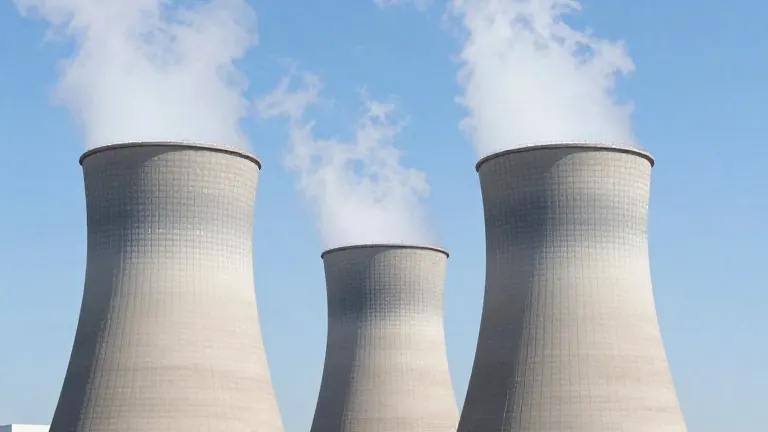
The U.S. nuclear energy sector is undergoing a sharp financial correction as industry stock prices drop by 75 percent or more.
The decline coincides with a recent cancellation of a $900 million initial public offering by Holtec International of New Jersey. The company pulled the listing following a reported accident at the Palisades Nuclear Plant in Michigan, a facility Holtec seeks to restart.
Lawmakers and advocacy groups are using the market slump to argue for a major policy shift away from atomic power. They contend that the industry’s high costs and reliance on public subsidies are no longer sustainable.
Ed Markey, the newly re-elected U.S. Senator from Massachusetts, has aligned with progressive Democrats including Bernie Sanders of Vermont, Alexandria Ocasio-Cortez of New York, and Ro Khanna of California. This coalition is promoting a renewable energy plan that prioritizes solar, wind, geothermal, and battery storage.
Proponents of the new energy strategy argue that nuclear reactors are significantly more expensive than renewable sources. They cite recent advances in battery technology that allow for reliable power storage, reducing the need for high-cost nuclear generation.
Critics of the current nuclear regime point to the Price-Anderson Act of 1957. They argue that this legislation limits the liability of reactor operators, leaving the public to bear the cost of potential disasters. Lawmakers in the coalition are calling for the immediate repeal of the act to restore full financial responsibility to the industry.
The debate extends to specific projects, including the plan to restart the Palisades plant in Michigan. Advocates describe the facility as a "zombie" reactor that has faced safety issues. They also criticize Small Modular Reactors, often designed to power data centers, for soaring costs and lack of market viability.
According to industry data, nuclear power generates a smaller share of global energy compared to renewable sources. Supporters of the shift argue that a transition to renewables would lower consumer and manufacturing prices while creating new jobs in the energy sector.
Despite the push from progressive lawmakers, several Democratic governors and senators remain aligned with the nuclear industry. Governors Gretchen Whitmer of Michigan, J.B. Pritzker of Illinois, Maura Healey of Massachusetts, and Josh Shapiro of Pennsylvania have supported continued investment in nuclear power.
Senators Jack Reed of Rhode Island, Mark Kelly of Arizona, and others have also maintained ties to the sector. The progressive coalition argues that these leaders must join the broader push to convert federal nuclear subsidies into funding for renewable infrastructure.
More Business · Consumer Alerts · Report a business · Got a Story?