Polls Show 6 to 8 Point Range in Tight 2026 Races
NPR correspondents explain why state-level surveys have missed the mark while national horse-race polling remains reasonably accurate ahead of Tuesday's vote.
By Luca Harrison ·
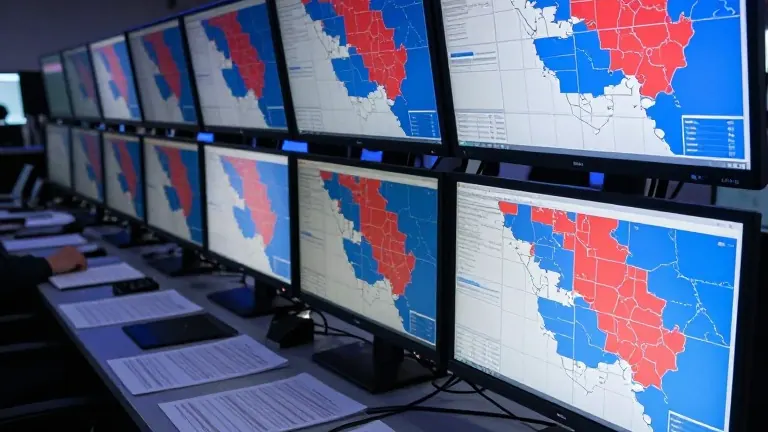
National polling data suggests the 2026 midterms are heading into the final days with razor-thin margins, creating confusion among voters who expect precise predictions. Domenico Montanaro, NPR senior political editor and correspondent, addressed listener questions about the reliability of these numbers. He stated that national polls have performed well in tracking the overall race, though they slightly underestimated Republican turnout.
Montanaro explained that a poll with a margin of error of plus or minus 3 or 4 percentage points represents a range of 6 to 8 points. In a country with very close elections, this fuzzy range often frustrates the public, who expect higher precision than the data supports. He noted that state surveys have fared worse, producing a number of low-quality or even fake polls this cycle. This decline correlates with the reduced budget for local journalism, which limits the ability of local outlets to fund rigorous and frequent polling.
The correspondents emphasized that horse-race numbers are not the most valuable data point. Instead, they look for trends over time regarding public opinion on specific issues. Montanaro pointed out that campaigns and corporations spend millions of dollars on polling to guide spending, travel, and messaging strategies. Reporters use these same data sets but combine them with historical context and on-the-ground reporting to provide a fuller picture.
Beyond the national vote, several state-level contests offer key insights into the shifting political landscape. Ashley Lopez, NPR political correspondent, highlighted ballot measures in Maryland, Colorado, Missouri, and Alaska that address redistricting and voting systems. In Maryland, voters will decide whether to amend the state constitution to add a seat, a measure that appears unlikely to pass despite the state's Democratic leanings. Colorado is weighing a proposal to make mid-decade redistricting harder, while Missouri considers a change that could help Republicans flip a seat.
Tamara Keith, NPR senior political correspondent, identified Nevada's 2nd Congressional District as a particularly chaotic race. The district, which President Trump won by 14 points, has not had a Democrat in over 40 years. The Republican nominee, backed by Trump, moved to the district specifically to run for office. In an interview with Keith, he blamed his grandkids for one of his campaign missteps. The incumbent Republican congressman is publicly criticizing the GOP nominee and stated he voted for a Libertarian candidate in a previous election.
Domenico Montanaro also flagged the Nevada governor's race as a watch item. Governor Joe Lombardo is running against state attorney general Aaron Ford. The campaign has focused on crime, Trump, and high unemployment. Ford has addressed past legal issues from his college years, forcing voters to weigh his personal history against the current national political climate. Montanaro noted that this race tests whether voters prioritize a candidate's past over the prevailing political mood.
The correspondents agreed that midterm elections offer distinct storytelling opportunities compared to presidential cycles. Sam Gringlas, NPR congressional reporter, described covering House and Senate races as more intimate than covering presidential rallies. He cited recent stops at an antique shop, a farmer's market, a UAW picnic, and a smokejumper-themed brewery. These settings allow reporters to observe candidate interactions with voters up close, avoiding the large press pens and security barriers common in presidential events.
Keith added that while presidential years offer a wide array of contests, midterms often reveal deeper trends through down-ballot races. She noted that tracking congressional candidates can provide a clearer view of how the election is progressing than focusing solely on the top of the ticket. The correspondents concluded their Q&A by reminding listeners that polling is one tool among many, and that the final results will depend on voter behavior in these tight and complex contests.