Legal Hold: Eighth Circuit Pauses Army Detonation Plan
A federal appeals court ordered a temporary stay on an EPA permit for the disposal of unstable explosives in Iowa, delaying the event until at least Monday.
By Takeshi Davidson ·
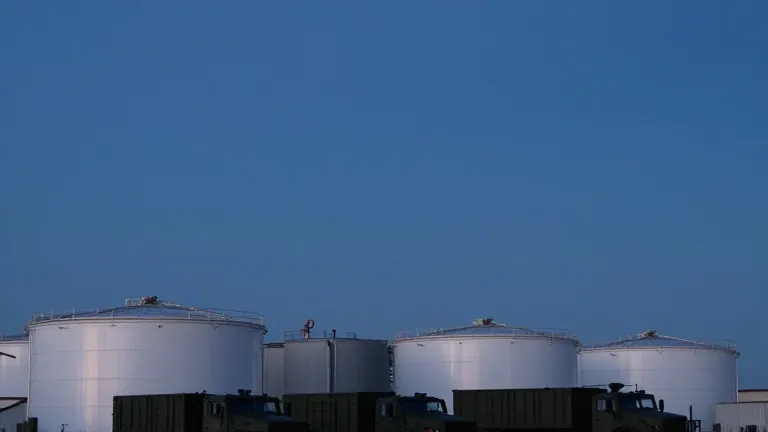
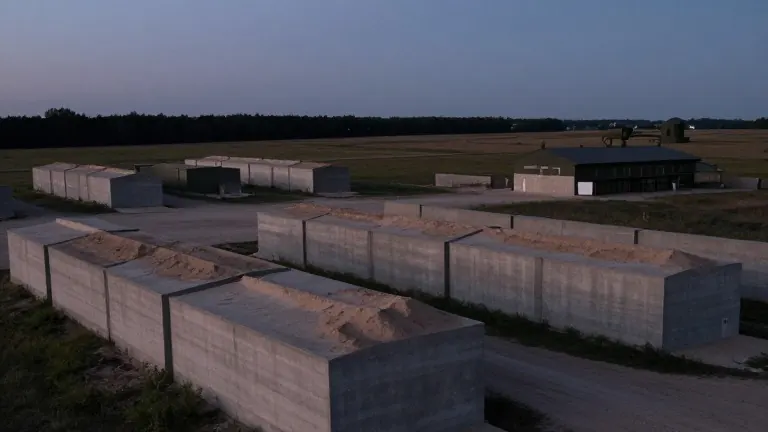
Nearly 10,000 pounds of lead azide are scheduled for a controlled explosion at a military facility in Iowa, a process that federal judges have temporarily halted. The Eighth Circuit Court of Appeals issued an administrative stay late Thursday night. This order pauses an emergency permit granted by the Environmental Protection Agency. The court is currently reviewing an emergency request to formally stop the detonation.
The U.S. Army originally planned two rapid blasts for midday Friday at the plant in Middletown. Officials moved the date to Monday to address public concern. Army Secretary Adam Telle announced the shift on social media. He stated that Monday is the latest possible moment before a forecasted temperature drop could destabilize the material further. Telle emphasized that public communication is essential to maintaining trust.
Two Iowa environmental organizations filed the emergency motion earlier Thursday. The Iowa Environmental Council and the Sierra Club Iowa Chapter argue the EPA approved the permit without fully evaluating health risks or alternatives. They claim some potentially impacted communities did not receive direct or timely notice. The groups seek a longer term halt while the court deliberates.
The material in question is degraded lead azide, a primary explosive used to initiate munitions. The Army describes the substance as highly sensitive and extremely unstable. The EPA noted that recrystallization has increased the material's sensitivity to friction and shock. Disturbing the containers could create an unacceptable risk of unintentional detonation. The agencies stated that safely destroying the material in place is the only responsible option due to risks associated with packing and transport.
The Iowa Environmental Council and Sierra Club argue the detonation could spread lead dust across a large area. Their filing states the dust could potentially reach communities more than 100 miles from the plant. The Army's latest modeling projects that lead dust could settle across an area approximately 25 miles long and 5 miles wide. This zone includes homes and waterways. The groups warn that people, livestock, and wildlife could face continued exposure once the lead settles into the ground.
Iowa Sen.-elect Josh Turek and Gov.-elect Rob Sand have also expressed concerns about the plan. They raised questions regarding the Army's communication with the public and the risk of lead exposure. The Department of Health and Human Services, the EPA, and the Army said Friday that they are taking extreme mitigation measures. They aim to minimize disruptions such as loud noises, ground vibrations, and broken windows.
A joint statement from the agencies said officials have been preparing for the event since March. The statement claimed the interagency team is working together to conduct the detonation in the safest fashion possible. It added that the entire Trump administration will continue to engage with state and local officials to provide updates. The EPA has not yet filed a response to the environmental groups' emergency motion.
The temporary stay keeps the emergency permit paused until the appeals court rules on the request for a longer term halt. The Army maintains the detonation is necessary to dispose of the unstable material. The next scheduled window for the blasts is Monday.