Detroit minister explains church investments in solar power and battery backups
Rev. Dr. Calvin Glass says Lord of Lords Ministries installed green technology to lower bills and support neighbors facing rising energy costs.
By Luca Harrison ·
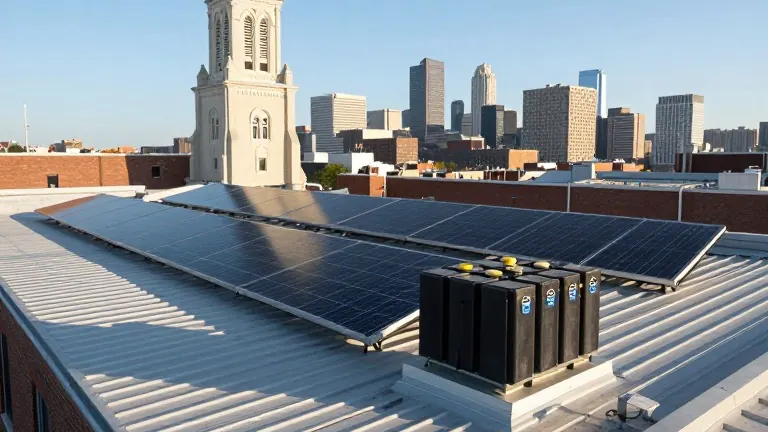
Lord of Lords Ministries in Detroit now operates with solar panels, battery backup systems, and electric vehicle charging stations, Rev. Dr. Calvin Glass said. The church also installed energy-efficient upgrades and air quality monitoring equipment. Glass, who has served the same Detroit community since 1990, stated that the church made these changes to reduce costs and improve resilience for local families.
Glass noted that rising utility bills have become a major source of stress for many Detroit residents. Seniors on fixed incomes are stretching their money, while working parents balance energy costs against rent, groceries, and medical expenses. He argued that energy costs are a community issue, not just a utility matter, because high bills limit what families can spend on other needs.
The minister explained that the church’s investments were not made to follow trends. He said the group aimed to advocate for a healthier environment and better serve people. These improvements have helped the church operate during power outages and lower its energy bills. The project also created opportunities to educate neighbors about solutions that could benefit their own homes and businesses.
Glass described the neighborhood as having changed significantly since the 1990s. Manufacturing jobs from companies like Chrysler, Ford, and General Motors disappeared. Major businesses left, and supermarkets closed. Families moved away, leaving the church to address growing needs such as food insecurity and health care challenges. He said the church stayed through these shifts to support the community.
The pastor connected environmental stewardship to community health. He observed that communities facing economic hardship often experience higher rates of asthma and respiratory illness. Glass argued that the well-being of neighbors is tied to the environment in which they live and work. He said caring for the community requires practical action to reduce costs and prepare for the future.
Glass expressed support for expanding access to practical energy solutions. He mentioned community solar and energy-efficiency improvements as tools that can help families lower costs. He stated that no single policy will solve every challenge facing Detroit, but leaders should explore every option that helps people keep more money in their pockets. He emphasized that this effort is about fairness and community transformation rather than politics.
The minister said the church’s experience shows that cleaner energy solutions are already helping communities. He argued that these tools demonstrate what renewal can look like in Detroit’s neighborhoods. Glass said the goal is to ensure that more families have the opportunity to benefit from these resources. He cited Hebrews 10:23-24, urging leaders and communities to motivate one another to acts of love and good works.
Glass concluded that decisions made about energy today will shape the lives of future generations. He called for wisdom and compassion in these decisions. His aim is to ensure that every family has the opportunity to thrive, not merely get by. He described Detroit as a city of resilience that has repeatedly shown up for one another during difficult times.