Winter Conditions Dry Out Afro-Textured Hair
Cold air and indoor heating strip moisture from the environment, causing increased dryness and breakage for hair with coils and kinks.
By Takeshi Davidson ·
Cold air holds significantly less moisture than warm air, and indoor heating systems remove additional humidity from enclosed spaces. Experts at Root2Tip note that this environmental shift leaves textured hair struggling to retain hydration. The result is hair that feels rougher, looks dull, and becomes more difficult to manage during the colder months.
The structure of afro-textured hair compounds the effects of low humidity. The natural coils, kinks, and bends in the hair shaft make it difficult for sebum, the scalp's natural oil, to travel from the root to the tips. Straighter hair types allow this oil to distribute more easily, but coily hair often leaves the mid-lengths and ends with less natural lubrication. When winter conditions add to this inherent dryness, the ends become particularly vulnerable to snapping.
The outer layer of the hair strand, known as the cuticle, serves as a protective barrier that helps retain moisture. When hair becomes dry or damaged, this layer can become rougher. A rough cuticle makes the strand more susceptible to moisture loss, tangling, and breakage. This physical change in the hair structure exacerbates the challenges posed by the winter environment.
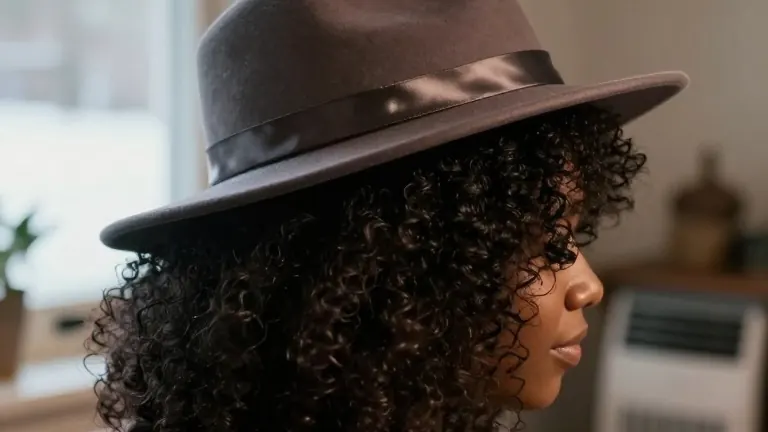
Winter accessories contribute to hair damage through friction. Wool jumpers, cotton beanies, and rough scarves rub against the hair, creating static and tangles. The Earthling Co. advises that coily ends are especially sensitive to this friction. To protect the strands, they recommend using hats and scarves lined with silk or satin.
Managing hair in winter requires a balanced routine that addresses both moisture and cleansing. Experts featured in Stylist emphasize that applying more oil does not automatically increase hydration. Oils can soften hair and reduce moisture loss, but they are not a substitute for water-based hydration. A moisturizing leave-in conditioner should be applied first, followed by a small amount of oil to seal in the moisture.
Cleansing conditioners, often referred to as co-washes, can be useful for refreshing hair between full wash days. Some formulas contain ingredients like castor oil and vitamin E to condition the hair and scalp. However, co-washing alone may not remove all accumulated oil, dirt, and product build-up. A gentle, nourishing shampoo is necessary on wash days to cleanse effectively without stripping the hair of essential moisture.
Protective styles such as braids and twists require regular scalp care. These styles should not be an excuse to neglect cleansing. Accumulated product must be removed with an appropriate shampoo rather than relying solely on a co-wash. The goal of protective styling is to retain length without leaving the scalp uncomfortable or the strands coated in build-up.
A consistent routine involving hydration, gentle cleansing, and physical protection helps maintain hair health throughout the winter. Whether hair is worn in protective styles, loose, or tucked beneath a hat, the same principles apply. The focus remains on keeping the scalp fresh and the strands manageable despite the dry conditions.