Twitty serves 'Kush' to trace West African roots in American kitchen
The two-time James Beard Award winner prepared the grain dish on NPR’s Morning Edition, linking the recipe to his Wolof, Hausa, and Fula ancestry.
By Luka Evans ·
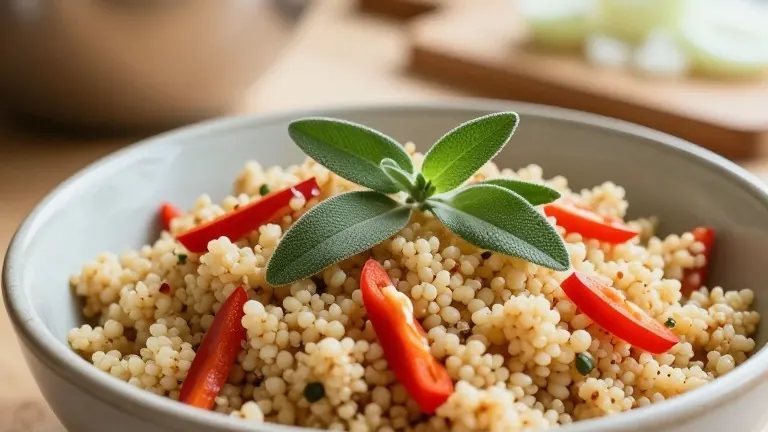
NPR host Leila Fadel left the studio for her kitchen on Thanksgiving morning to cook with culinary historian Michael Twitty. The two-time James Beard Award winner brought a spice blend, fresh sage, fish peppers, and onions from his garden to prepare a dish called Kush.
Twitty, the author of The Cooking Gene, has built a career tracing African American culinary history. He has been making Kush since he was a teenager. The dish is a forerunner to Southern cornbread dressing, and its name and ingredients reflect how enslaved people in the Americas preserved their cultures through food.
"The name comes from Hausa, the language of West Africa," Twitty said on the show. "And so the name Kush, it's like, couscous." He explained that the Hausa are a predominantly Muslim people whose practice of Islam is influenced by traditional West African culture and spirituality.
Cooking the dish allows Twitty to connect with his specific ethnic heritage. He said he now knows he is part Wolof, Hausa, Fula, and Serer. "Now, I know this dish has a connection to who I am and my roots and where I came from," he said.
Twitty also discussed his work documenting hybrid dishes created by African American Jewish communities. He cited Matzah ball gumbo and black-eyed peas and quiche as examples. "It's kosher jollof rice and Shito. Shito usually has shellfish in it, we don't put that," he said, noting the dietary adjustments made for kosher cooking.
For Twitty, the holiday is less about the traditional lore and more about gathering with family and friends. "Thanksgiving, as it's been expressed, means very little," he said of the holiday's myth. "But we do love tradition, we love cooking, we love food, we love gathering."
He views the preparation of Kush as a way to maintain a tangible link to his past. "It means I haven't forgotten who I come from. And it means I haven't forgotten that I have a legacy to leave," he said. The recipe appears in his book Recipes from the American South.