Kim Jong Un Inspects Centrifuges and Vows More Nuclear Arms
The North Korean leader toured production sites days after U.S. President Donald Trump made a public offer to meet during an Asia trip.
By Takeshi Davidson ·
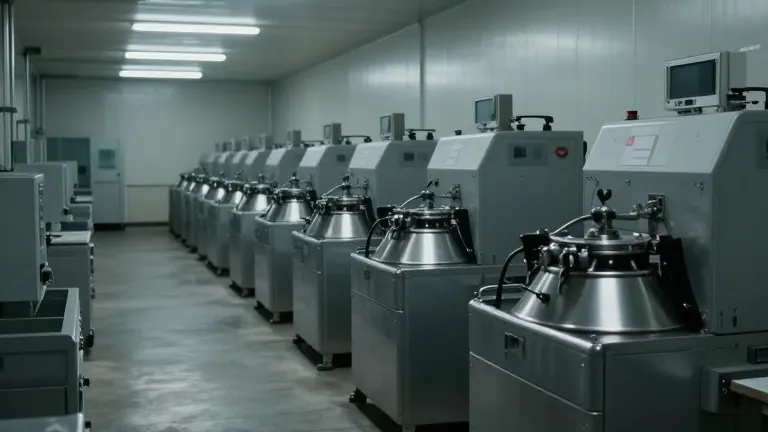
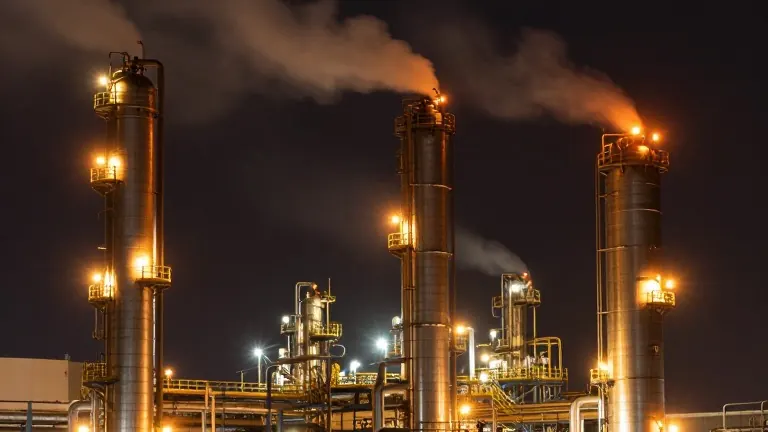
North Korean leader Kim Jong Un visited nuclear materials production factories on Wednesday and Thursday, according to state media. The inspections included a newly inaugurated facility and another site undergoing expansion. State broadcaster Korean Central News Agency released photos showing Kim and senior military officials walking between rows of equipment identified as centrifuges. The images also showed halls containing what analysts believe are warheads, though some photos were blurred.
Kim stated that the visits aim to strengthen defense capabilities against "variable nuclear threats approaching the Korean Peninsula moment by moment." He accused the United States of encouraging regional allies to acquire nuclear-powered submarines and share nuclear weapons. KCNA reported that Kim described the possession and expansion of nuclear weapons as an irreversible reality.
The North Korean leader emphasized the urgency of deploying low-yield battlefield nuclear weapons across different domains. He referenced the "most dangerous enemy state," a term widely understood to refer to South Korea. Pyongyang has prioritized the development of these tactical weapons in recent years as tensions with Seoul have risen.
Analysts suggest the tour serves a dual purpose. Moon Seong Mook, an analyst for the Seoul-based Korea Research Institute for National Strategy, said Kim likely wants to demonstrate the strength of his arsenal. Moon noted that the visit also allows Kim to check on the progress of state objectives ahead of a year-end Workers' Party conference.
"Trump has talked about a willingness to meet Kim Jong Un, but the basic U.S. position that North Korea must denuclearize remains unchanged," Moon said. He added that Kim wants to signal that denuclearization is not a prerequisite for future talks if the leaders meet.
President Trump reiterated his desire to restore diplomacy during his visit to China for the Asia-Pacific Economic Cooperation summit last week. He told the New York Post that Kim did not ignore his outreach, calling the timing "just not really the right time" during a busy two-day period. Trump claimed he could revive diplomacy at any time by restarting the letter exchange the two maintained during his first term.
South Korea's Defense Ministry said it takes Kim's comments on battlefield nuclear weapons seriously. The ministry stated that Seoul maintains firm military readiness against Pyongyang's nuclear threats in alliance with the United States. The Joint Chiefs of Staff declined to share an analysis of the reported facilities, citing confidential information shared between the two allies.
International Atomic Energy Agency Director General Rafael Grossi assessed last week that North Korea is expanding its original uranium enrichment facility at Yongbyon. He called the move a cause for serious concern. South Korea's former Unification Minister Chung Dong-young said last year that the North was operating four uranium enrichment facilities on a daily basis.