Tomer Raises 600 Million Shekels in First Bond Offering to Expand Defense Operations
Israel's state-owned defense firm Tomer has raised 600 million shekels in its first bond offering to fund expansion into artillery ammunition manufacturing, breaking Elbit Systems' domestic monopoly.
By Luka Evans ·
Tomer, the Israeli state-owned defense enterprise responsible for manufacturing rocket propulsion systems for most of the country's missiles, completed its first institutional bond offering on Tuesday. The company raised 600 million shekels through the transaction, which will be used to finance its expansion into new defense sectors. This marks the firm's initial debt issuance and represents a significant step in its financial strategy.
The primary focus of this expansion is the production of artillery ammunition. By entering this specific market, Tomer effectively ends the longstanding monopoly that Elbit Systems held over domestic artillery shell production. The move introduces new competition into a sector that has previously been controlled exclusively by the larger defense conglomerate.
The fundraising effort was led by Tomer Chairman Roni Moreno and CEO Dotan Gabay. They received support from Roy Kahlon, the director of the Government Companies Authority, and Maayan Harel, the deputy director for defense industries. Barak Leumi Underwriters and IBI managed the offering, while legal counsel was provided by Assaf Messika of the firm Arnon, Tadmor-Levy.
Investors received bonds with a maturity of 13 years at an indexed interest rate of 3.23 percent. S&P Maalot assigned Tomer an AA+ credit rating. The company stated that this high rating reflects its strong financial position and its promising future growth prospects within the defense market.
Tomer was established in 2018 after being separated from Israel Military Industries, or IMI, just before IMI was acquired by Elbit Systems. The Defense Ministry requested this separation to maintain state ownership of Israel's strategic rocket propulsion capabilities. This decision was made to prevent sensitive technologies from falling under private or foreign ownership due to the company's involvement in classified projects.
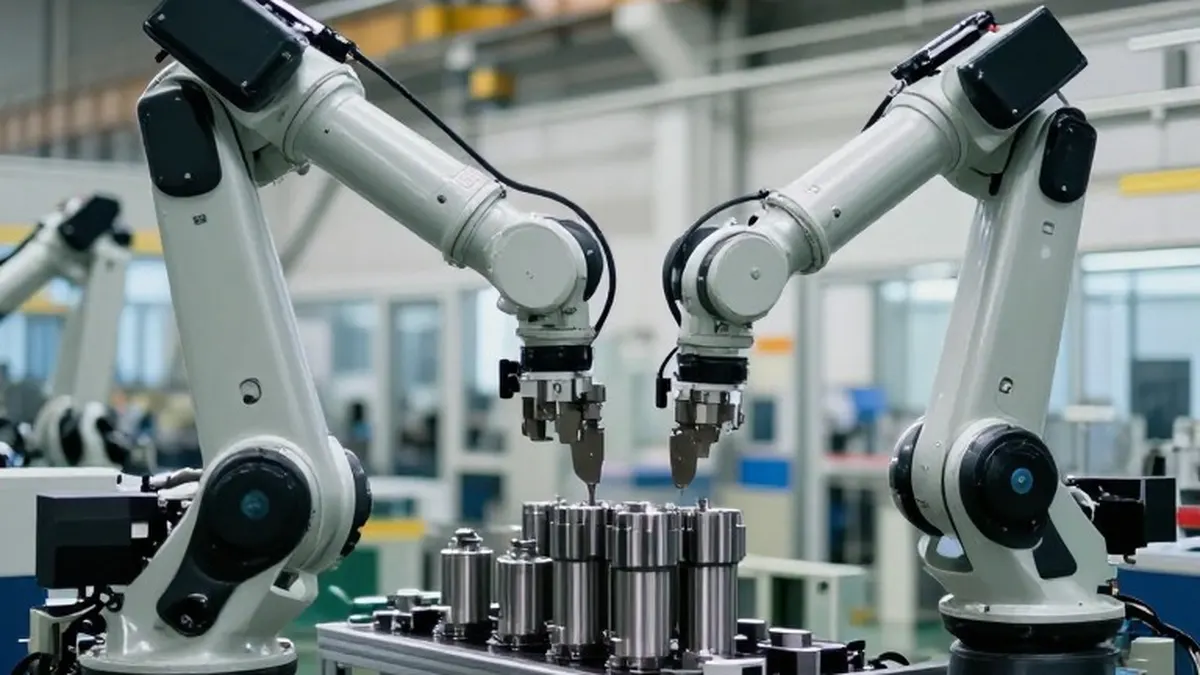
Since its establishment, Tomer has become the national center of expertise for rocket propulsion. It develops and manufactures engines for various rocket, missile, and satellite systems produced by Israel Aerospace Industries and Elbit Systems. Notable products include propulsion systems for Arrow interceptor missiles, Ofek satellites, and the recently unveiled Bar precision rocket.
The company also develops propulsion systems for Barak MX air defense missiles, which are intended for use by the Israel Navy and international customers. Tomer currently employs more than 1,000 people. The firm expects to end the year with sales of approximately 850 million shekels, representing an increase of more than 30 percent from the previous year.
In recent years, Tomer has shifted its operational focus from developing individual products to the serial production of rocket propulsion systems for operational applications across air, land, sea, and space. This expansion is occurring amid a significant rise in global demand for missiles and rockets, as many countries accelerate their defense procurement efforts.
Tomer's entry into the artillery ammunition market has already generated substantial opportunities in international markets. The company is reportedly involved in an agreement valued at 830 million dollars to supply 155-mm artillery ammunition to the US Army. This deal is part of Washington's efforts to boost domestic availability and meet production targets that the United States has struggled to achieve on its own.
The reported agreement includes advanced cluster munitions designed to minimize the proportion of unexploded ordnance left on the ground. This follows an earlier major contract disclosed by The Intercept, which reported that the Pentagon purchased approximately 200 million dollars worth of advanced cluster munitions from Tomer without a public competitive tender. That procurement was conducted under an exemption for noncompetitive defense contracts involving Israel, Ukraine, and Taiwan, and was described as the largest such contract awarded to a single Israeli defense company at the time. Tomer operates three manufacturing facilities in central and southern Israel.