Brussels rally unites diplomats and diaspora against rising antisemitism
US and Israeli ambassadors joined hundreds of demonstrators in Brussels on Sunday as organizers called for stronger institutional protections against antisemitism.
By Luka Evans ·
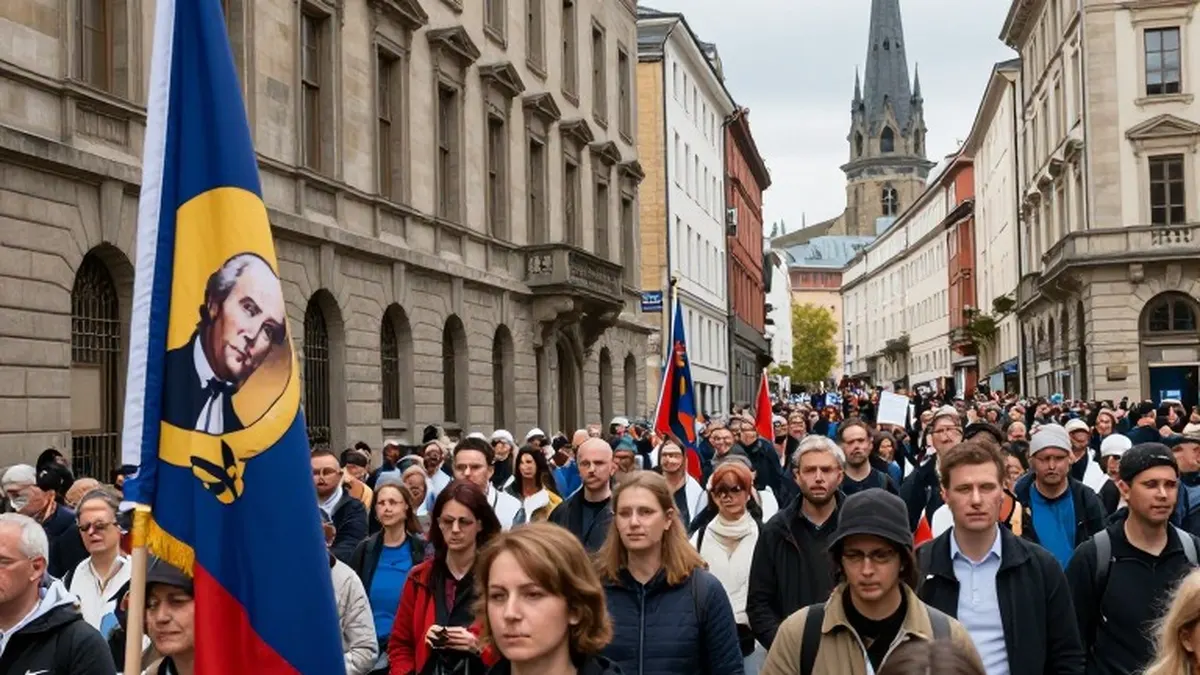
Approximately 1,000 demonstrators marched through central Brussels on Sunday to protest antisemitism and advocate for coexistence. The event, organized by the Belgian Alliance for Peace in the Middle East, drew support from high-ranking diplomatic figures, including US Ambassador to Belgium Bill White and Israeli Ambassador David Saranga. While Belgian media outlets estimated attendance between 600 and 800 people, organizers placed the turnout closer to the higher figure.
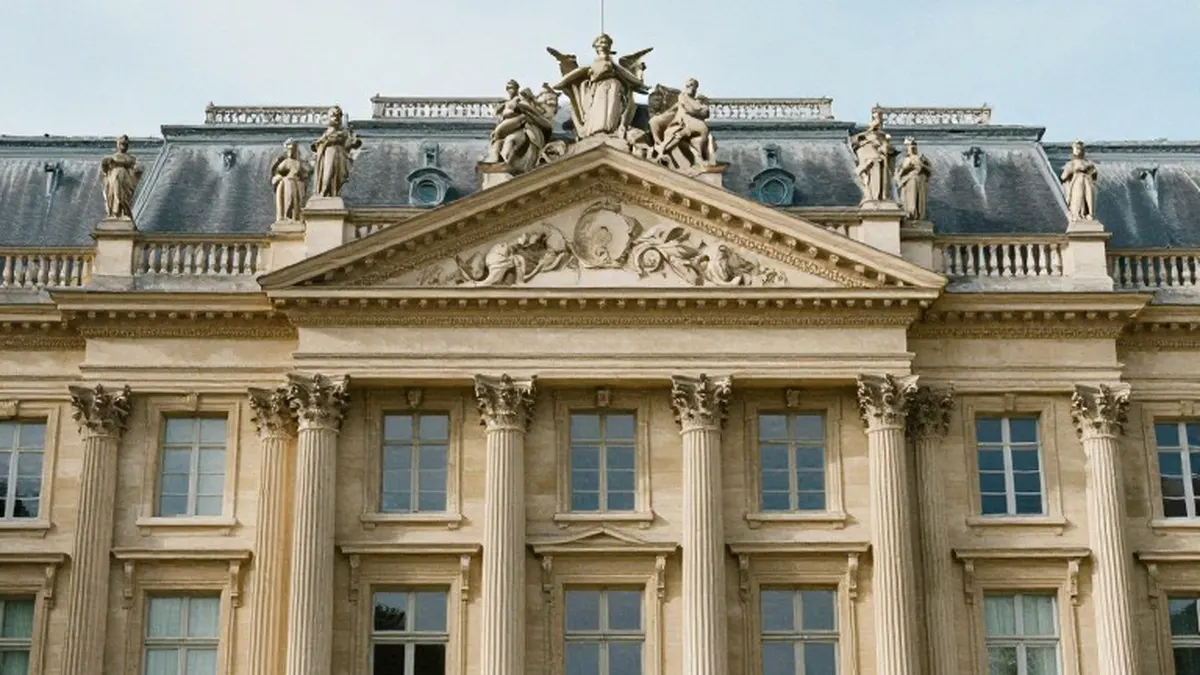
The procession began outside Brussels Central Station and covered a one-kilometer route past the Great Synagogue, ending at the square in front of the Palace of Justice. Police maintained a heavy presence along the path, with officers stationed at ten-meter intervals. The march concluded without counterprotests or significant incidents, a level of order that organizers contrasted with recent weekly demonstrations in the country that have occasionally involved property damage.
The crowd featured a diverse mix of participants, including Jewish community members, Christian allies, and a significant contingent from the Iranian diaspora. According to Ralph Pais, Ambassador of the European Jewish Association, members of the Iranian diaspora made up roughly 30 to 40 percent of the attendees. These participants carried large flags, chanted traditional phrases, and displayed portraits of Iranian Crown Prince Reza Pahlavi.
Speaking at the Palace of Justice, Pais addressed the community's standing in Belgium. He rejected the idea that Jewish citizens should accept a status of second-class residency or fear. "We are not guests in this country," Pais stated in French. "We helped build this country. We work here, and we are at home here." He emphasized that the community seeks freedom, security, and dignity rather than special privileges.
Pais noted that many Jewish children and university students feel compelled to conceal their names or religious symbols out of caution rather than shame. He highlighted that this dynamic persists eighty years after the Holocaust, with great-grandchildren feeling the need to hide to remain safe. He also expressed gratitude to the Iranian diaspora participants, telling them that their fight for freedom is shared with the Jewish community.
US Ambassador Bill White used the platform to voice frustration with certain Belgian government actions affecting the Jewish community. He cited specific examples, including legal pressures on ritual circumcisers in Antwerp and the removal of kosher slaughter practices. White expressed disappointment in the current government, stating that the country still faces serious problems in how it treats its Jewish population.
White specifically referenced the ongoing prosecution of two mohelim in Antwerp, one of whom is an American citizen. He argued that the state should focus on prosecuting common criminals rather than religious leaders performing their duties. He pledged continued US support for the Belgian Jewish community, noting that the United States would always stand with them in combating antisemitism.
Other speakers at the event included Joël Rubinfeld, President of the Belgian League Against Antisemitism, and Baroness Regina Sluszny, a Holocaust survivor and president of the Antwerp-based Forum of Jewish Organizations. Sluszny warned that hatred has once again become normalized, pointing to the fear that drives young Jewish people to hide their identity.
In an interview, Pais described the broader context of the rally, citing growing frustration within Belgium's 40,000-strong Jewish community. He noted that while the Jewish population has remained stable, the country's Muslim population has grown from roughly 150,000 to over one million, shifting political dynamics. He also pointed out that Belgium has yet to appoint a dedicated national coordinator or special prosecutor for antisemitism, a role that exists in many other European nations.
Pais said that White's vocal advocacy, including visits to synagogues that have recently been targeted by attacks, has provided rare reassurance to local Jews. Although White's public involvement has drawn some criticism from Belgian officials, Pais believes his clear stance has given the community hope that international attention will remain focused on their safety.