Hippopotamus Dies After Swallowing Hat at Cincinnati Zoo
A nine-year-old hippo named Fiona died Thursday after a hat lodged in her small intestine, prompting veterinarians to warn visitors about the dangers of foreign objects.
By Luka Evans ·
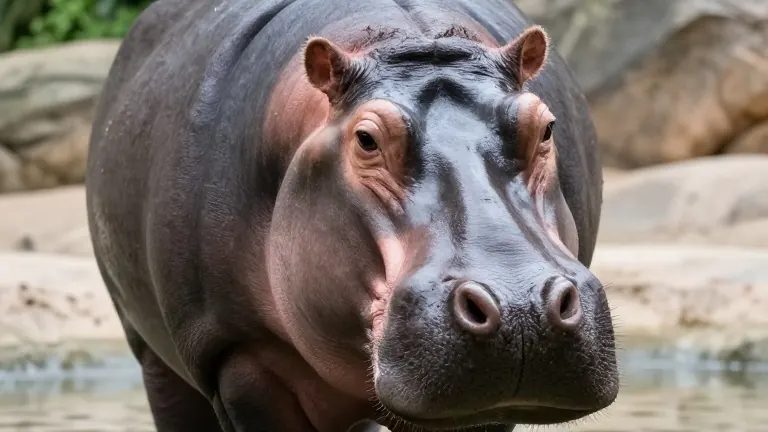
A nine-year-old hippopotamus named Fiona died Thursday after swallowing a hat that had entered her enclosure at the Cincinnati Zoo. The zoo confirmed that the item became lodged in Fiona's small intestine, making surgical removal impossible. Her death has intensified discussions among veterinary professionals regarding the risks posed by objects dropped or thrown by visitors.
Dave Jenike, the director of the Cincinnati Zoo, stated that his animal care team made heroic efforts to save Fiona. He noted that while the staff did everything possible, the hippo's body was unable to continue fighting. The zoo has reminded the public that such items frequently enter animal habitats, though fatal outcomes remain rare.
In recent years, other zoos have dealt with similar incidents. In 2024, staff at Omaha's Henry Doorly Zoo and Aquarium successfully removed 70 U.S. coins from an alligator. The following year, a Komodo dragon at the Memphis Zoo ingested a shoe thrown into its habitat. In that case, the shoe was extracted, and the dragon survived.
Dr. Gabriella Flacke, an associate veterinarian at Zoo Miami, explained that staff often retrieve items such as cellphones from alligators. She said these objects are typically removed endoscopically by passing a camera through the mouth and into the stomach. When items are too large for this method, surgeons may need to perform an operation.
Dr. Jen Quammen, president of the American Veterinary Medical Association, explained that hippos are more difficult to treat than alligators because they possess a multichambered stomach. Alligators have a single stomach divided into two parts, which simplifies retrieval. Quammen told NPR that the twists and turns of a hippo's digestive system often make it hard to remove objects, regardless of their size or shape.
Veterinarians advise visitors to be mindful of items they carry near enclosures. Flacke suggested keeping sunglasses secured and watching children who might toss toys. She emphasized that animals have specialized dietary needs met by caretakers and that visitors should avoid yelling or throwing objects at the animals.
Both Quammen and Flacke extended their advice to pet owners and wildlife observers. They noted that animals naturally explore their environment by putting objects in their mouths. To prevent ingestion of dangerous items, people should dispose of trash properly and store human medicines out of reach. Quammen added that visitors should not feed any animal without permission, whether at a zoo, in the wild, or at home.