E-commerce Fraud: AI Agents Fail to Distinguish Fake Stores
Study finds that over 18% of AI shopping recommendations point to fraudulent sites, with scammers using AI to clone brands like UGG and Converse in minutes.
By Luka Evans ·
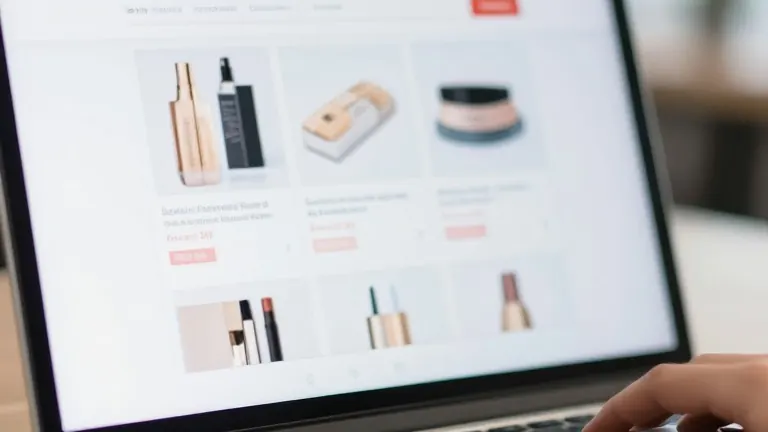
Shoppers relying on artificial intelligence to find deals during Black Friday may be directed to fake websites that mimic popular brands. Scammers are using AI to build convincing copies of legitimate online stores, a process that now takes hours instead of the days or weeks previously required.
Microsoft research indicates that criminals can establish fraudulent e-commerce sites in mere minutes using generative tools. Harrison Tang, co-founder of the data aggregator Spokeo, noted that uploading assets into HTML is now straightforward, allowing fraudsters to duplicate logos, marketing language, and product images with high fidelity. Tang told CBS News that while platforms attempt to block these sites, the volume of new fake stores makes it difficult for moderators to keep pace.
Spokeo identified 65 distinct copycat sites mimicking 60 legitimate brand names as of Nov. 15. The list of targeted companies includes UGG, L.L. Bean, Converse, and Stella McCartney. The study found that the visual differences between authentic and fraudulent sites are subtle, requiring close examination to detect.
Web addresses are the primary indicator of fraud, according to Tang. A fake Converse store uses the domain converseshop.us.com, whereas the official site is converse.com. Tang explained that the .us top-level domain is often used for phishing attempts despite being reserved for U.S. residents. He warned that these sites look official to the average user, making them easy to mistake for the real thing if the URL is not checked carefully.
AI shopping agents are currently less effective than human shoppers at spotting these phony websites. Research from Podqi, a firm that monitors intellectual property infringement, tested popular AI tools including OpenAI’s ChatGPT, Google’s Gemini, and Perplexity. The group asked these bots where to buy specific brands online. More than 18% of the responses relied on a fake, infringing, or invalid website.
In one specific test, Perplexity recommended the site us-stussy.com for buying Stussy clothing. The bot identified the site as the brand’s official website and the best starting point for guaranteed authentic items. The actual Stussy store operates at stussy.com. The research also found duplicate stores for Figs, a medical scrubs manufacturer, and sock company Bombas.
Spokeo advises shoppers to look for specific red flags when evaluating an online store. These include misspelled domain names, a lack of a corporate phone number or physical address, and prices that appear too good to be true. Third-party warnings from services like ScamAdviser or the Better Business Bureau also signal potential fraud. The study suggests that manual verification remains necessary even when using AI assistance for online purchases.
More Business · Consumer Alerts · Report a business · Got a Story?