Brita pitchers filter tap water using carbon and resin
The company offers models ranging from 6 to 10 cups with filters that remove specific metals and improve taste.
By Luka Evans ·
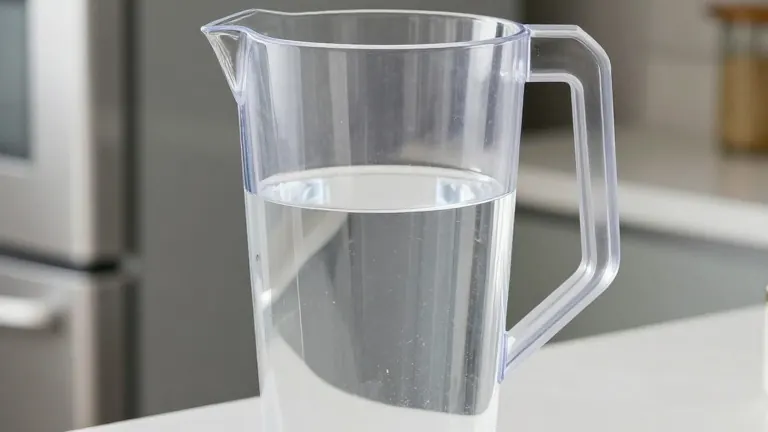
Brita has filtered water for more than 50 years, and its current lineup includes pitchers with capacities ranging from 6 to 10 cups. These devices use filters containing activated carbon and mesh screens to process tap water.
The company produces two main filter types for its pitchers. The Standard filter uses a mesh screen and activated carbon to reduce odors and tastes. It also contains an Ion Exchange Resin that captures copper, zinc, and cadmium. The Longlast+ filter adds pleated material designed to reduce contaminants including lead, asbestos, and cadmium.
Brita also sells a stream filter that processes water as it is poured into a glass. This design allows users to fill the pitcher reservoir more quickly, though the pour into the glass takes longer than with standard bottom-flow models.
The Standard 10-Cup Everyday Pitcher holds 10 cups of water and is sized to fit on standard refrigerator shelves. It features a locking lid to prevent spills and works with both Standard and Longlast+ filters. Some users reported that the model can be difficult to disassemble for cleaning.
For smaller spaces, Brita sells a 6-cup plastic pitcher. This model has a space-saving design and a large handle intended for easy pouring. The company describes the build as lightweight yet rugged. Some owners noted that the lid may leak if the pitcher is tipped backward.
Most Brita pitchers include an electronic filter tracker built into the lid. The device counts how many times the pitcher is filled and alerts the user when it is time to replace the filter. If the tracker battery dies, the water continues to be filtered, but the user must track filter changes manually.
The general price range for these pitchers is between $15 and $45. The company recommends cleaning the pitcher every two months. Users should disassemble the parts, wash them by hand with mild dish detergent and a nonabrasive sponge, rinse them thoroughly, and allow them to dry completely before reassembly.
The Centers for Disease Control and Prevention states that the United States has one of the safest water supplies in the world. However, tap water can still be affected by sewage releases, naturally occurring chemicals, fertilizers, and malfunctions. The Mayo Clinic suggests men drink roughly 99 ounces of water daily and women drink roughly 74 ounces.
More Business · Consumer Alerts · Report a business · Got a Story?